S M B O measurement-vertical measurement-vertical

Latest Stories

The Giving Tree

In Greece, where the land is mostly rocky and steep and the climate hot and arid, the olive tree thrives, and for millennia, olive oil has been as essential to Greek cooking as the gnarled, silver-leaved trees have been to its landscape. Greece is the third largest producer of olive oil in the world after Spain and Italy and the greatest in consumption per capita. Used liberally as a cooking fat for all manner of ingredients and preparations, as well as in its raw state to dress or flavor dishes, olive oil also plays an influential role in Greek baking, such as in koulourakia, twisted or coiled cookies, and paximadia, the twice-baked rusks that come savory or sweet.

Backstreet Yanesen: Finding a Taste of Old Tokyo Featured Image

One of the things we love about Japanese food is that it celebrates specialists. A good sushi chef makes only sushi, and only after years of study to learn the art of making the perfect rice. Likewise, only a master of the dynamics of hot oil can craft perfect tempura. So it’s no surprise that at Japanese chicken restaurants one can find a true dedication to specific methods of preparing fowl.

Out of Sight

Lisbon is a city that knows how to keep a secret. In the early days of World War II, German, American and British spies overran the capital – Portugal was officially neutral during the war – and many of the city’s bars and casinos were hotbeds of international (in)discretion. Later, just before the Carnation Revolution in 1974, many central cafés were meeting points for covert leftist associations. Today, the hidden bars in Lisbon are decidedly less cloak-and-dagger. Yet there is still a real sense of intrigue when you ring the bells of exclusive clubs, private cultural associations and former brothels, and step inside for a hush-hush drink.

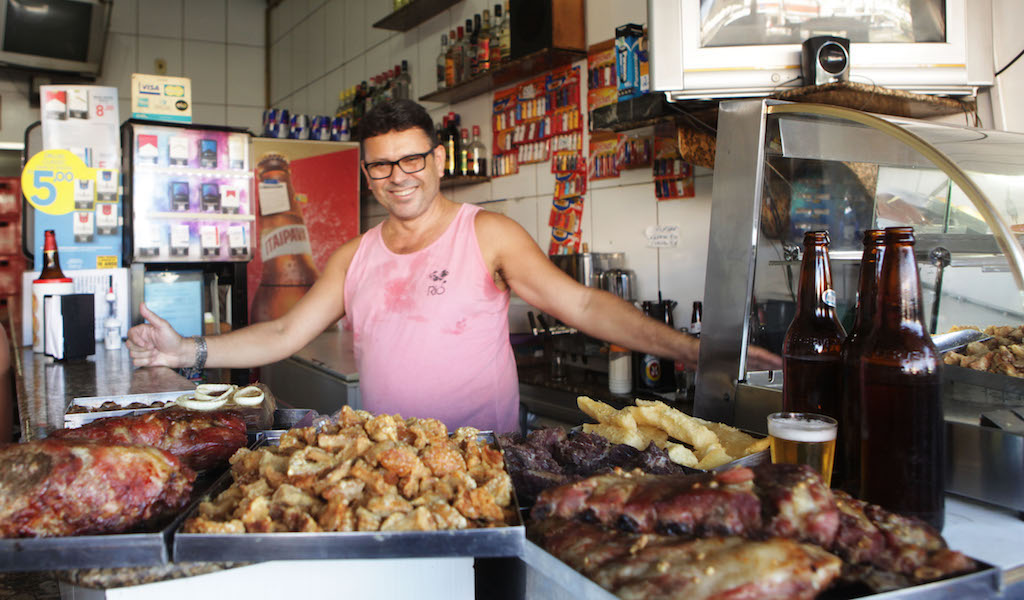
Bar do Seu Domingos: Suburban Meat Feast Featured Image

When we talk about the “suburbs” in Brazil, some may imagine the affluent outer boroughs of London, New York or Singapore. But in Rio de Janeiro, they’re nothing like that. Far from its beautiful beaches, Christ the Redeemer and Sugarloaf Mountain, the city’s suburbs are the opposite of tony – they’re where Rio’s working-class people live. Yet the suburbs are where you can find the most authentic carioca soul. They are home to the biggest favelas, the most important samba schools, Afro-Brazilian religious temples, the majority of football fields and, of course, the best botequins, or local bars.

CB on the Road

There’s something special about Crete, Greece’s biggest island. The country’s most fertile region, it has a long history of food and wine production that stretches back to the Bronze Age, making Crete one of the most interesting culinary destinations in Europe. Bordered by the Aegean Sea to the north and the Libyan Sea to the south, the island is home to over 70 different edible herbs and wild greens, and local farmers produce a wide range of products, from Mediterranean staples like olives, tomatoes and eggplants to more tropical produce, such as mangoes and papayas.

La Mundana

Sants is a working neighborhood with an industrial past and a communal present, both of which it proudly flaunts. There are the street names – like L’Espanya Industrial, Carrer Wat (dedicated to the engineer James Watt) and Vapor Vell (Old Steam) – that tell the story of industrialization in Catalonia, and the two buzzing municipal markets and the many bodegas and restaurants, like Terra de Escudella or Bodega Salvat, that serve as meeting points for an engaged community. Although shaped by a diverse set of international influences, the neighborhood’s sophisticated culinary scene is tied together by something more local: vermut culture.

Wine Thieves

In the 1975 short film Gvinis Qurdebi (Wine Thieves), four mischievous villagers sneak into a stingy neighbor’s wine cellar, crack open his kvevri (enormous ceramic urn) and start drinking the wine stored inside. As they get drunk and rambunctious with toasts and song, they wake the winemaker who ends up joining them. It is in this same spirit of Georgian joie de vivre that Avto Kobakhidze, Givi Apakidze and Zaza Asatiani have come together to take other people’s wine and sell it under their own label, Wine Thieves.

Angelopolitano

A sweet warmth lies just below the surface of Condesa’s über-cool Angelopolitano. Walking through the front door, we were first struck by the restaurant’s elegant decor, which exists somewhere between hipster chic and business casual. Potted plants sitting beneath framed 19th-century photographs make the space feel more like an art gallery than a place to eat. Such an environment would be off-putting if it weren’t for the staff, who flashed big smiles as we entered and spoke to each other in a familial, teasing tone you’d more expect to hear at a friend’s dinner party than an upscale restaurant.

The Babà

The Neapolitan pastry landscape is dominated by three sweet treats: sfogliatella, a shell-shaped pastry with a variety of fillings; pastiera, a type of tart flavored with orange flower water and most commonly served at Easter; and babà, a small yeast cake soaked in a liquor syrup. The first two cakes were born and raised in Naples, thanks to the gifted pastry-making skills of the nuns and monks in the Neapolitan convents. But babàs, although considered by many Neapolitans to be homegrown, are not, in fact, an indigenous sweet – our beloved baba was imported from France, where they were invented by a Polish gourmet.

Prana Cozinha Vegetariana

We hear it every time we bring up the V-word: “But it’s impossible to be a vegetarian in Rio!” Nonsense. Not only is it possible to eat an earthy diet here in Rio, it’s getting so trendy that carnivorous cariocas are increasingly forgoing their weekend churrasco (grilled meat on a stick) for the kaleidoscope of couve (collard greens), cogumelos (mushrooms), tofu and all of its soy brethren. While Rio de Janeiro’s vegetarian options are often lunch-only buffet-style joints (and we like those too), we’ve been intrigued by the rise of a few more boutique à la carte places. And we appreciate that Prana Cozinha Vegetariana is one of those that does not come with boutique prices.

Hohlidaki

When we first discovered this delightful ouzeri in Neo Psychiko last May, we were thrilled to have found a place that specialized in Politiki Kouzina – not the cooking up of politics but the cuisine of Constantinople, often called simply I Poli, or The City, by Greeks even today. Ironically, mutual friends had chosen it to fete a Turkish guest, a visitor from Istanbul, which seemed a culinary version of taking coals to Newcastle. But she pronounced the fare delicious, and smacked her lips over such shared dishes as Imam Baildi, dolmades and bourekakia made with phyllo.

Unsung Heroes

One of the tenets of the Slow Food movement is that it’s impossible to make a really good meal out of industrial food. Of course certain ingredients can pass muster with diners even if they’re grown on an industrial farm. Yet sustainable farming has an obvious impact – it’s not just a matter of better tasting and healthier food but also environmental and societal benefits. In Barcelona, we are surrounded by a large number of independent, sustainable producers that, too often, are completely invisible. They work in nearby provincial areas such as El Prat, El Penedès, El Vallès, El Garraf and El Maresme that give forth a veritable cornucopia of food goods: vegetables, fruits, nuts, legumes, olive oil, cheese, marmalades, cereals, flours, honey, meat, fish, wine, vermut, beer and more. These producers work hard every day to remain independent and adhere to stringent standards of sustainability and quality.

A Da Cong You Bing

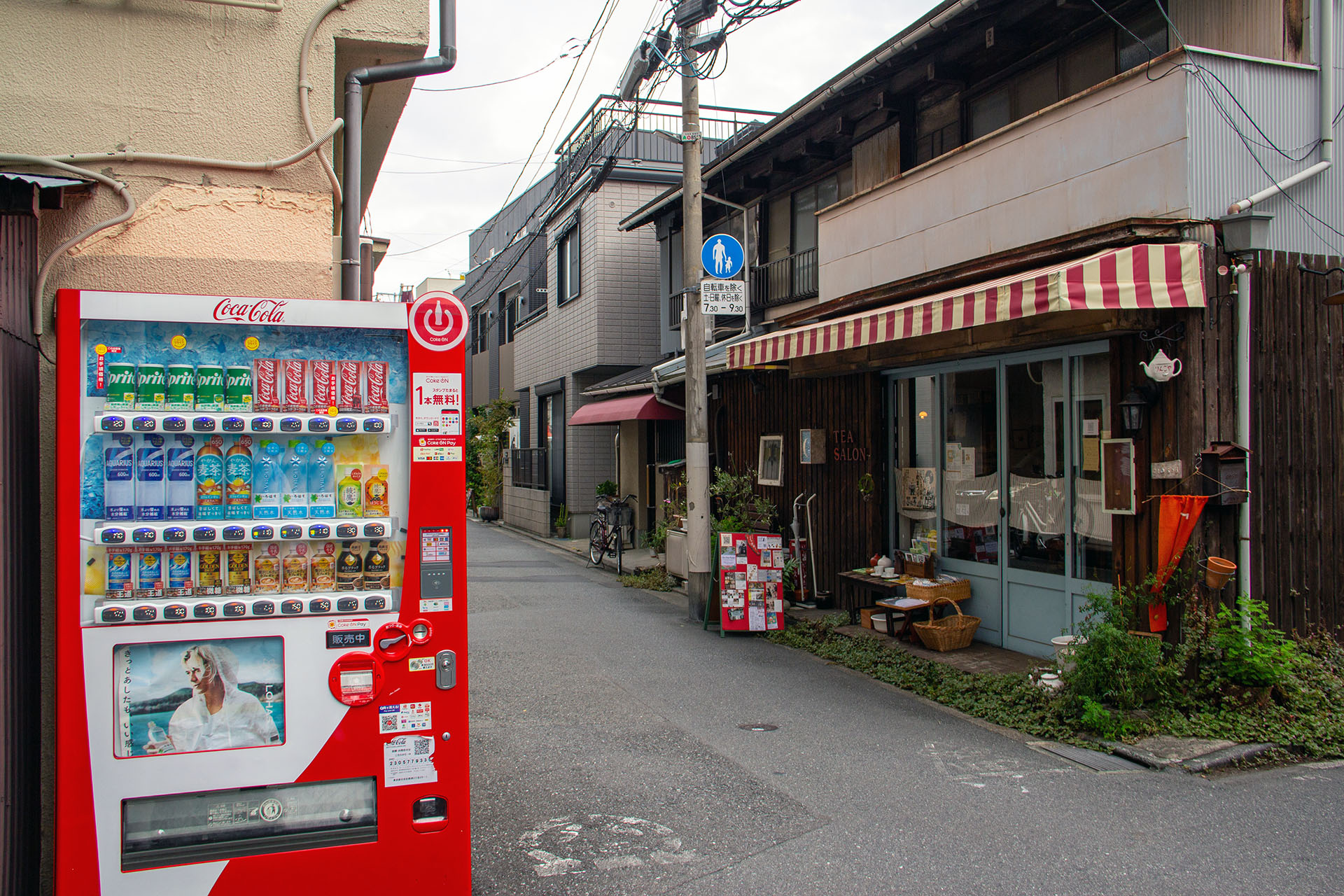
In September of last year, Shanghai eaters were shocked when Mr. Wu shuttered A Da Cong You Bing, the city’s best scallion pancake shop. The only explanation for the abrupt closure was a worn sign on the door that read: “My family has a problem. The stall will be closed for a few days.” But this wasn’t the whole truth. Some attributed the shutdown to the fact that the stall was featured on the BBC program Rick Stein’s Taste of Shanghai, claiming that it had drawn too much attention to the unlicensed vendor and the government had taken note.

Astek Restaurant

First-time visitors to Astek probably step in for the same reason most people convene at a reputable Istanbul meyhane: Good conversation in a cozy setting over a few cold glasses of rakı, together with fresh melon and white cheese, and perhaps a hot appetizer or two once the anise-based spirit has succeeded in seriously stimulating the appetite. And while one is unlikely to be displeased with any of Astek’s fine offerings, the head waiter and manager Mehmet Akkök is the reason why regulars return. Mehmet Bey brings to the table an exuberance and keen sense of professionalism that comes with years of service in the sector he loves.

Point Brazil

“Have you been to Bahía, Donald?” José Carioca, a dapper, green-and-gold, happy-go-lucky parrot, poses this question to Donald Duck in the (mostly) animated 1944 film The Three Caballeros. For its beauty and charm — and, oh, the food! — José insists that Bahía (buy-EE-ah), a coastal state in northeastern Brazil, has no rival. It’s a full-throated endorsement, particularly from José: His surname, Carioca, identifies him as a native of Rio de Janeiro. Even for a parrot-about-town who has experienced the beauty of Rio’s beaches and the excitement of its nightlife, Bahía is a magical place. That spirit has been transported to Astoria, Queens, not by magic, but by the devotion of Bahían sisters Elzi and Erli Botelho Ribeiro.

logo

Terms of Service