We can't find the internet
Attempting to reconnect
Something went wrong!
Hang in there while we get back on track

Lisbon's culinary record
The Portuguese capital seems to have gone overnight from being a sleepy, almost forgotten city of crumbling buildings on the edge of Europe to a crowded tourist destination and a hotspot for property developers. The rapid change couldn’t be more jarring for Lisbon locals: It was as if Lisboetas had woken up from an exceptionally long slumber to find out that while they had been sleeping the rest of the world had suddenly become interested in their country and – as importantly – its food.
Get the Full Story →Tour Lisbon with Culinary Backstreets®


discover the city, street by street, bite by bite

Lisbon
Canalha: Back to Basics
Lisbon is changing so fast that it’s quite refreshing when a restaurant opens without proclaiming a twist or a “concept.” When Canalha was announced, it stirred great curiosity among local diners – and for good reason. A talented chef, renowned for Michelin-starred restaurant Feitoria, as well as the itinerant project Residência in 2023, was leaving fine dining to open a place with Portuguese fare sprinkled with a bit of Spanish inspiration. Just a few days after opening in November, Canalha became the talk of the town, and now you need to book a table for dinner weeks in advance.
Read more
Lisbon
The Essentials: Where We Eat in Lisbon, Portugal
Lisbon’s steep hills and cobbled streets are home to a rich pantheon of delicious dishes – visitors would be remiss to fill up exclusively on the famous pastel de nata before exploring all the flavors the Portuguese capital has to offer. Anchored by excellent seafood, comforting stews, and cod prepared every which way, traditional cuisine is still possible to track down all around town. But what makes Lisbon unique is that its food doesn’t stop there – culinary influences have filtered in from different corners of Portugal and the former colonies, making this a perfect place to try acarajé from Bahia, Angolan peito alto, or modern takes on regional dishes from the many young chefs stepping up in the city’s food scene.
Read more
Lisbon
Galeto: Counter Culture Pioneers
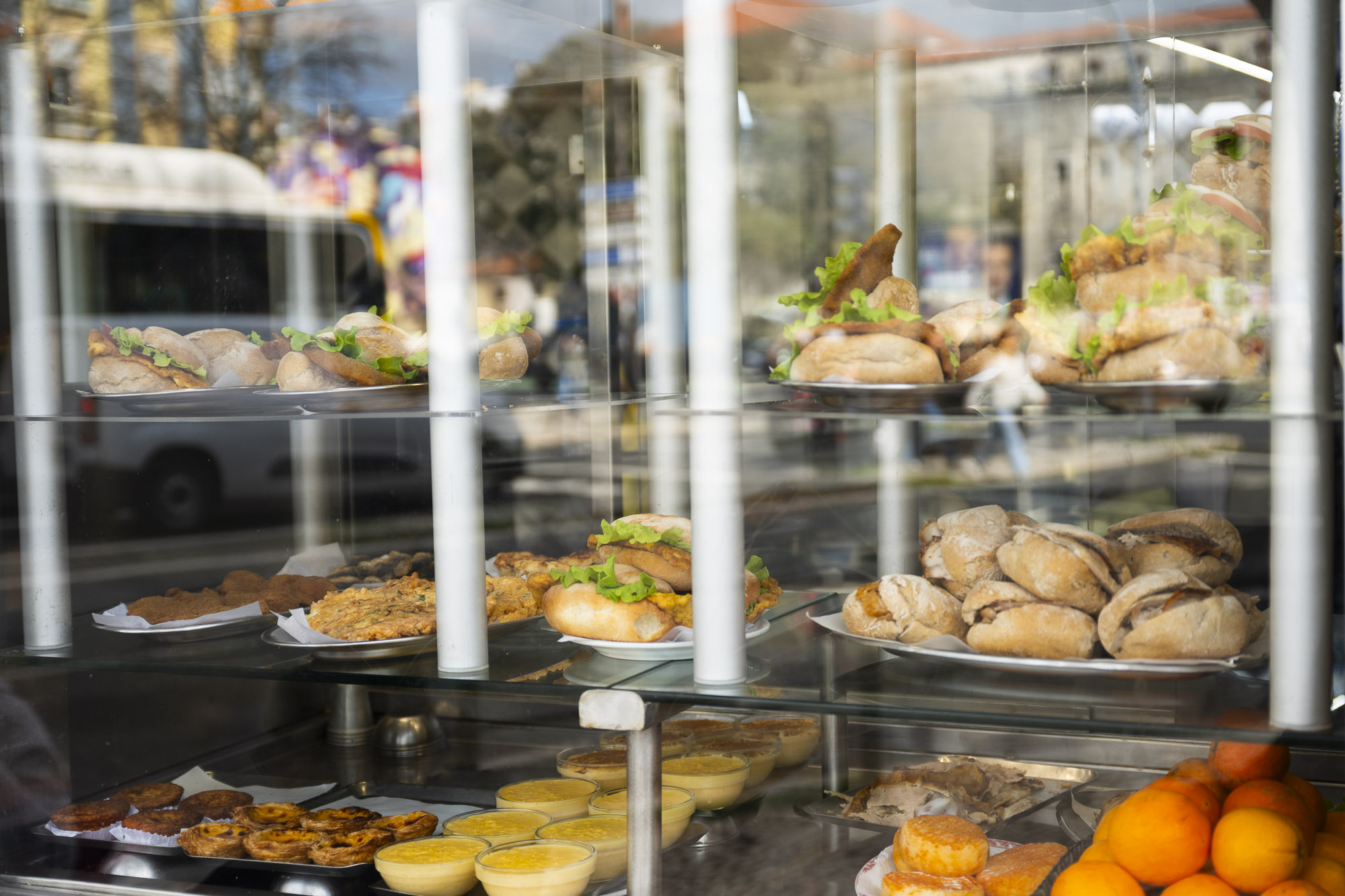
Back in 1966, when it opened on Avenida da República, one the main roads connecting the new avenues of Lisbon with the city center, Galeto caused quite a commotion. Lisboetas flocked to the huge snack bar, seduced by both the design – it was styled like an American diner – and the menu, which in those days seemed wildly innovative. Locals used to more conservative Portuguese fare were suddenly introduced to club sandwiches, burgers, mixed plates that brought together some wildly disparate elements and even Brazilian feijoada. Eating at the long counters while perched on a comfy seat was quite different from sitting on a stool at an everyday tasca. When combined with the avant-garde décor, swift service, and long hours (it was open late, until 3:30 a.m.), it felt like Lisbon was catching up with the dining habits elsewhere in Europe or the U.S.
Read more
Lisbon
Acarajé da Carol: Burger of Bahia
It’s a bit of culinary magic. Plain old black-eyed peas are transformed into a fluffy white cloud, before somehow changing once again, this time into a crimson, crispy fritter. This is acarajé, and as a dish with origins in Bahia, the homeland of Afro-Brazilian spirituality, other types of magic can also play a role. In Lisbon, you can witness the results of this transformation at Acarajé da Carol. “There are other people [in Portugal] making acarajé, but they’re not from Bahia!” the eponymous owner – full name Carol Alves de Brito – tells us. Bahia, Carol’s homeland, is the region of Brazil with the strongest links to Africa. Salvador, the state’s capital, was once a major destination in the trans-Atlantic slave trade, and today it’s the largest Black city outside of Africa.
Read more
Lisbon
Taberna Sal Grosso: The Revivalists
“I’m afraid there are no tables for the next week or so.” This has become the most-repeated phrase lately at Taberna Sal Grosso, a small space which first made a significant impact in Lisbon restaurant scene nearly eight years ago. Now, after a couple of challenging years due to the pandemic, the 25-seat-spot is again one of the most coveted in town, attracting both locals and in-the-know visitors. If Sal Grosso (“Coarse Salt”) helped to breathe new life into the old Lisbon tradition of enjoying beer, wine and petiscos in a small tavern, its second life – now with new owners and chefs – brings another breath of fresh air to this corner of Santa Apolónia, on the margins of the Alfama neighborhood.
Read more
Lisbon
Market Watch: Mercado do Livramento in Setúbal
As amazing as Lisbon’s food and drink scene is, many of its markets are underwhelming. The sad truth is that it’s necessary to head outside of the capital to witness spaces that showcase the real bounty of Portugal’s fields, orchards, vineyards, farms and waters. The recently-renovated Mercado do Bolhão, in Porto, is one such place. Or the expansive, seafood-forward Mercado de Olhão, in the country’s far south. From Lisbon, visits to either of these would involve time-consuming trips, but thankfully, one of the country’s best markets is located an hour south of the city.
Read more
Lisbon
O Velho Eurico: Family Inheritance
Zé Paulo Rocha was born in September, 22 years ago. By December of that year, he was already sleeping on top of a chest freezer in his parents’ tasca, right behind Rossio, one of Lisbon’s main squares. Like so many tasca owners in the Portuguese capital, they had come to Lisbon from northern Portugal’s Minho region years before. As a young teenager, Zé Paulo used to help with the service while his mother cooked and his father ran the business behind the counter, the traditional family tasca format. His professional fate was sealed from the beginning.
Read more
Lisbon
Post-Colonial Lisbon: Angola
Those normally finding themselves craving Angolan flavors in central Lisbon head straight to Mouraria, the medieval downtown neighborhood that has experienced a conceptual conversion of its peripheral status into a landmark of cultural and culinary diversity. Despite it being the area with the highest density of Angolans in Lisbon’s city center, Angolan restaurants open and close at a rapid rate, with now-shuttered CB favorites Palanca Gigante and Shilabo’s falling prey to this trend. In the beginning, these restaurants were only popular among the Angolan community, but nowadays, due to the rehabilitation of the neighborhood, a new clientele is discovering them. Now that we can’t get the country’s iconic national dish, muamba, at Shilabo’s or Palanca Gigante, we head to Rato instead for a taste of Angola.
Read more
Lisbon
Cervejaria Ramiro: Crustacean Station
Cervejaria Ramiro is the undisputed temple of seafood in central Lisbon. The 50-year-old business represents an old-school type of eatery: a beer hall where the seafood is fresh and cheap, with a choice from the daily menu or directly from the large aquariums that look out to the street. Taking up two floors of a late-Art Nouveau building on Avenida Almirante Reis, Cervejaria Ramiro is perpetually crowded. The clientele has not been affected by the recent urban regeneration of the area, which is turning the degraded Intendente neighbourhood, long affected by social exclusion, into a fashionable district. In fact, the restaurant was already popular in the 1970s, when eating seafood was new to the capital.
Read more
Lisbon
Tati: Act II For a Lisbon Trailblazer
A decade ago Lisbon was a very different city, and the riverfront Cais do Sodré neighborhood was dominated by Mercado da Ribeira, the central market, and office buildings. No Time Out Market, no hipster cafés or trendy restaurants and bars, and hardly any tourists. In 2011 Café Tati opened in an 18th-century building behind the central market, a new entry amongst the old-school tascas and restaurants feeding market vendors and office workers, and the bars and clubs down neglected streets in the neighborhood’s former red light district. Founded by Ramón Ibáñez, a transplant from Barcelona, Café Tati was a breath of fresh air, offering relaxed meals, organic and natural wines, and live music, too.
Read more
Lisbon
Petisco Saloio: The Tasca of the Future
We’ve long been tasca hounds, searching out the best that Lisbon has to offer. But in the last few years, a good number of our favorites have closed: the perfect storm of spiking rents, real estate interests, and aging owners and clients have stacked the odds against these small, cheap, familiar restaurants. For a while, the stream of closures had us thinking that the Lisbon tasca scene might face complete extinction sooner than expected. But while doing research for a story on summer tascas – places with outside seating, grilled food or simple dishes similar to the ones you can eat by the beach – we found hope, in an unexpected way.
Read more


Daily Dispatches from the Frontlines of Lisbon

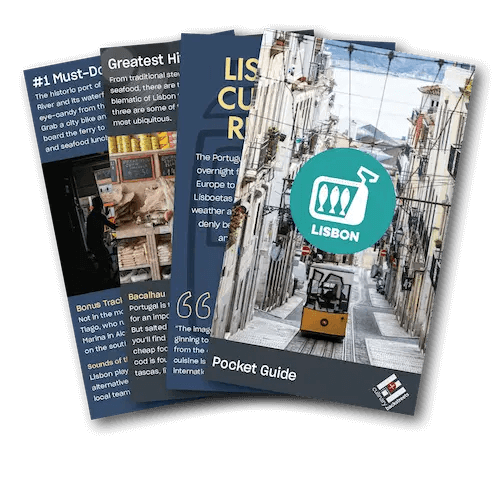
Get Your Free Lisbon Pocket Guide
Introducing our pocket-sized Lisbon guide — perfect for your next culinary adventure. Yours free when you sign up for our newsletter.
Get Your Free Lisbon Pocket Guide
Introducing our pocket-sized Lisbon guide — perfect for your next culinary adventure. Yours free when you sign up for our newsletter.
Immersive Multi-Day Journeys In and Around the World’s Culinary Capitals




Your trips, powered by our picks
Curated Lisbon Travel Boards


Visual Dispatches from the Frontlines of Local Eating
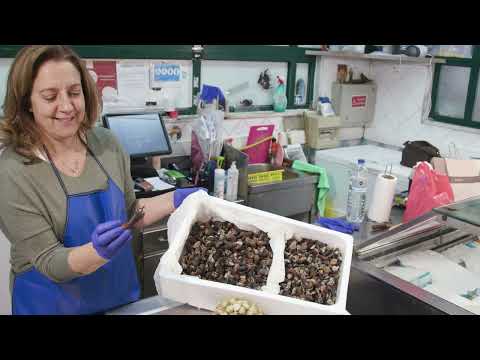
Discover the Culinary Backstreets of Lisbon
Culinary Backstreets® Envoys, Always Searching for the Next Hidden Gem

Célia
Lisbon Bureau Chief

Kika
Lisbon Tour Leader

Laura
Lisbon Tour Leader

Austin
Lisbon Correspondent

Ines
Lisbon Tour Leader

Gisela
Lisbon Tour Leader

André
Lisbon Tour Leader

João
Lisbon Tour Leader

Lara
Lisbon Tour Leader

Patricia
Lisbon Tour Leader

Rodrigo
Tour Photographer

Lisbon: An Eater's Guide to the City
Part of our city guidebook series, this new book was created with those who travel to eat in mind. Comprehensive yet still pocketable, think of this little book as your trusted and knowledgeable local companion in Lisbon.
Visit the shopYour Questions, Answered
The best things to do in Lisbon are visiting its historic neighborhoods, medieval castle, public squares and palaces strewn throughout the city. While many tourists pack into the 28 Tram, we suggest following the rails on foot, saving the seat on the tram for locals who need it for their daily commutes. The city’s dining scene has much to offer and we’ve chronicled much of it here. The city is a great base for beach and nature trips in the region as well.
Lisbon is fairly small and walkable, so there are many good areas to stay in. The neighborhoods Principe Real and Chiado are very popular and central. Anjos and Graca are more up-and-coming and hip. For a good look at a really local neighborhood with a great dining scene, check out Alvalade.
Lisbon is the capital city of Portugal located in the far southeastern corner of the European continent in the European Union. Lisbon is situated on the river Tejo or Tagus, which empties into the Atlantic Ocean a couple of kilometers from the city center.
Compared to other European cities of its size, Lisbon is unusually safe. Incidents of violent crime are very rare though petty crime such as pickpocketing is a nuisance.
The best time to visit Lisbon is May-June to attend the festivals and September-October when the weather is best. July and August are the hottest month when much of the city slows down as locals leave on vacation.
The best food in Lisbon is fresh fish and seafood as well as Iberian pork. You can find all of this at simple neighborhood restaurants known as tascas.
Lisbon has a very diverse dining scene from the traditional to the trendy that is changing all of the time. Please check our top 10 essentials list for our latest tips.
There are Atlantic beaches very close to Lisbon including Carcavelos which is a short train ride from downtown Lisbon and Costa Caparica which is a short drive across the river. Though not technically on the Ocean, Lisbon is very much a “beach town” culturally.
The weather in Lisbon is very good. Lisbon has more days of sunshine per year than any city in Europe. Average temperatures are 53F/11C in the coldest month, January up to 74F/24C in the hottest month, July.
Compared the other European cities, Lisbon is not expensive. A good cup of coffee rarely costs more than 1 EURO, nor does a glass of local beer. Portuguese food and wine is very high quality and inexpensive. The cost of living is quite low, though real estate prices are increasing rapidly.
Bacalhau à Brás, ameijoas à Bulhão Pato, grilled sardines (in season, June to August), pastéis de nata straight from the oven at Manteigaria or Belém, a bifana at O Trevo, iscas at a Mouraria tasca, and a glass of vinho verde or ginjinha.
Three full days. One for Alfama and the tasca circuit, one for Príncipe Real and Chiado's newer restaurants, one for a Sintra or Setúbal day trip (seafood and Moscatel wine). Add a fourth for the market at Ribeira and an evening fado meal.
Lisbon is bigger and more diverse, immigrant scenes from Cape Verde, Angola, and Goa alongside classic Portuguese. Porto is more concentrated and more Portuguese: francesinha, tripas, grilled sardines, port wine. Both are essential. If you have to choose, do Lisbon for range, Porto for depth.
Yes. Schengen: 90 days within 180. ETIAS from late 2026. No vaccination or testing.
You can fly directly to Lisbon from many locations worldwide. Check TAP for any new routes.
Very much all three. Solo travelers do especially well because tascas are set up for single diners at the counter, a glass of wine and a dish. Families are welcome at every taberna, though very steep streets can be tough on strollers. Groups of four to eight are ideal for a seafood cataplana or a shared petisco spread.
Lisbon is a great city for families with children. Public safety is among the highest in European cities, the people are warm and welcoming and there is a bakery selling custard tarts on nearly every corner.
Culinary Backstreets runs five experiences in Lisbon. Song of the Sea: Fish, Seafood and Tradition in Lisbon's Port Zone focuses on the city's fishing heritage and old-school seafood spots. Lisbon's Post-Colonial Feast covers immigrant cooking from Cape Verde, Angola, Goa, and Brazil in the neighborhoods where those communities live. Hidden Flavors of the Hillside: Mouraria and Graça goes deep into Lisbon's oldest quarter and its multi-ethnic modern layer. Lisbon Awakens: A Culinary Crossroads, Reborn tours the neighborhoods around the redeveloped Marvila and Beato districts. The Culinary Backstreets Lisbon Wine Club is an evening tour built around the city's most interesting wine bars and Portuguese producers.
Mouraria for immigrant Portuguese cooking. Alfama for classic tascas and grilled sardines. Bairro Alto for late-night bites and ginjinha. Príncipe Real for modern Lisbon dining. Marvila for craft beer and new-generation chefs.