We can't find the internet
Attempting to reconnect
Something went wrong!
Hang in there while we get back on track


Bilbao's culinary record
Bilbao may not be as picturesque as its neighbor San Sebastián, with whom it maintains an unspoken rivalry. But it has an undeniable energy, a current running beneath its surface that’s impossible to contain. Philosopher Miguel de Unamuno, a Bilbao native, once called it a “strong and anxious town” filled with “ambitious merchants.” He wrote those words in 1908, and even today, the city exudes that same restless drive, which always seems to end up at its bars and tables.
Get the Full Story →Tour Bilbao with Culinary Backstreets®
View all food tours
discover the city, street by street, bite by bite
Bilbao
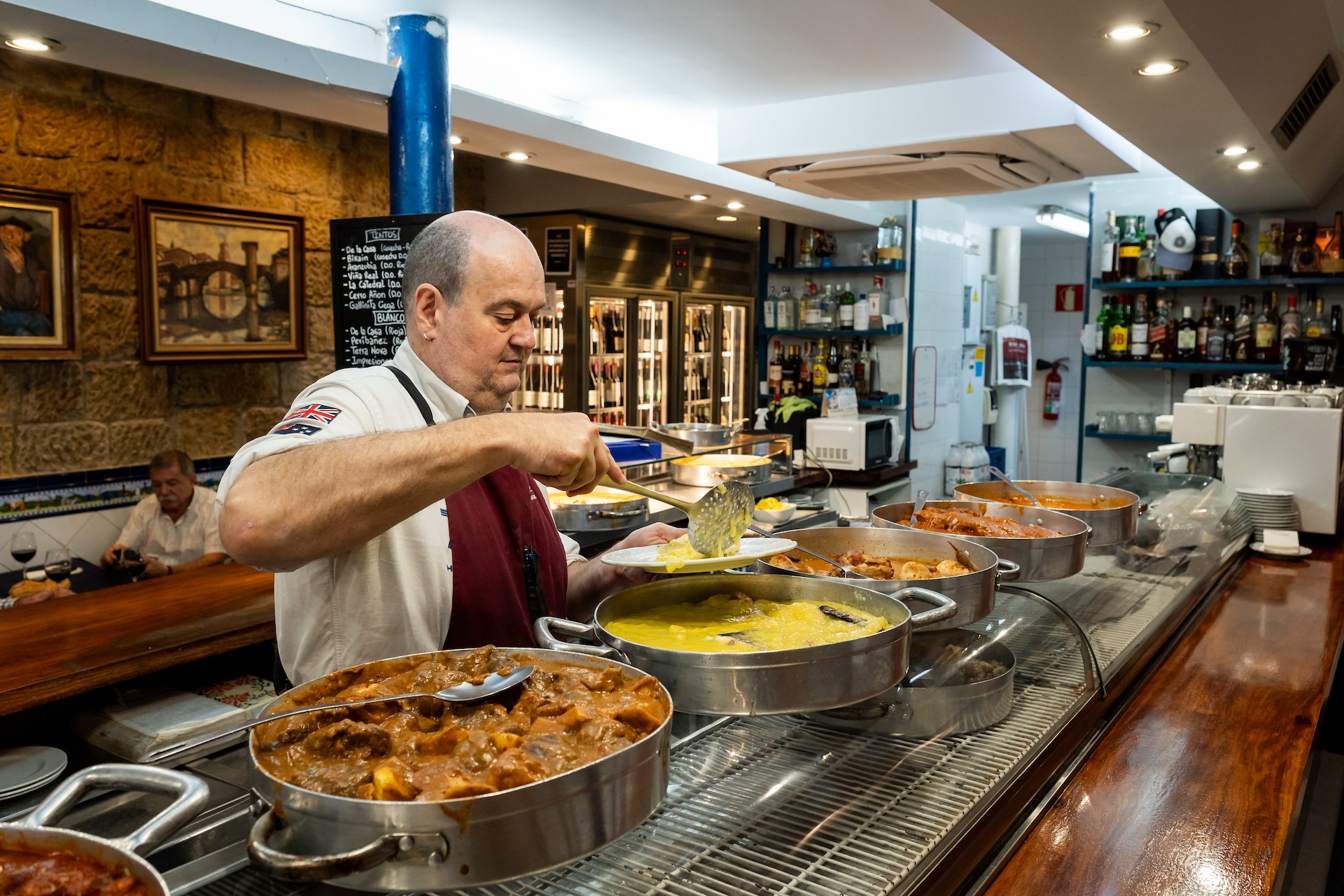
Río Oja: A Taste of Old Bilbao
At Río Oja, four classic Basque sauces and a counter full of casseroles offer a taste of the Bilbao that existed long before the Guggenheim changed the city.
Read more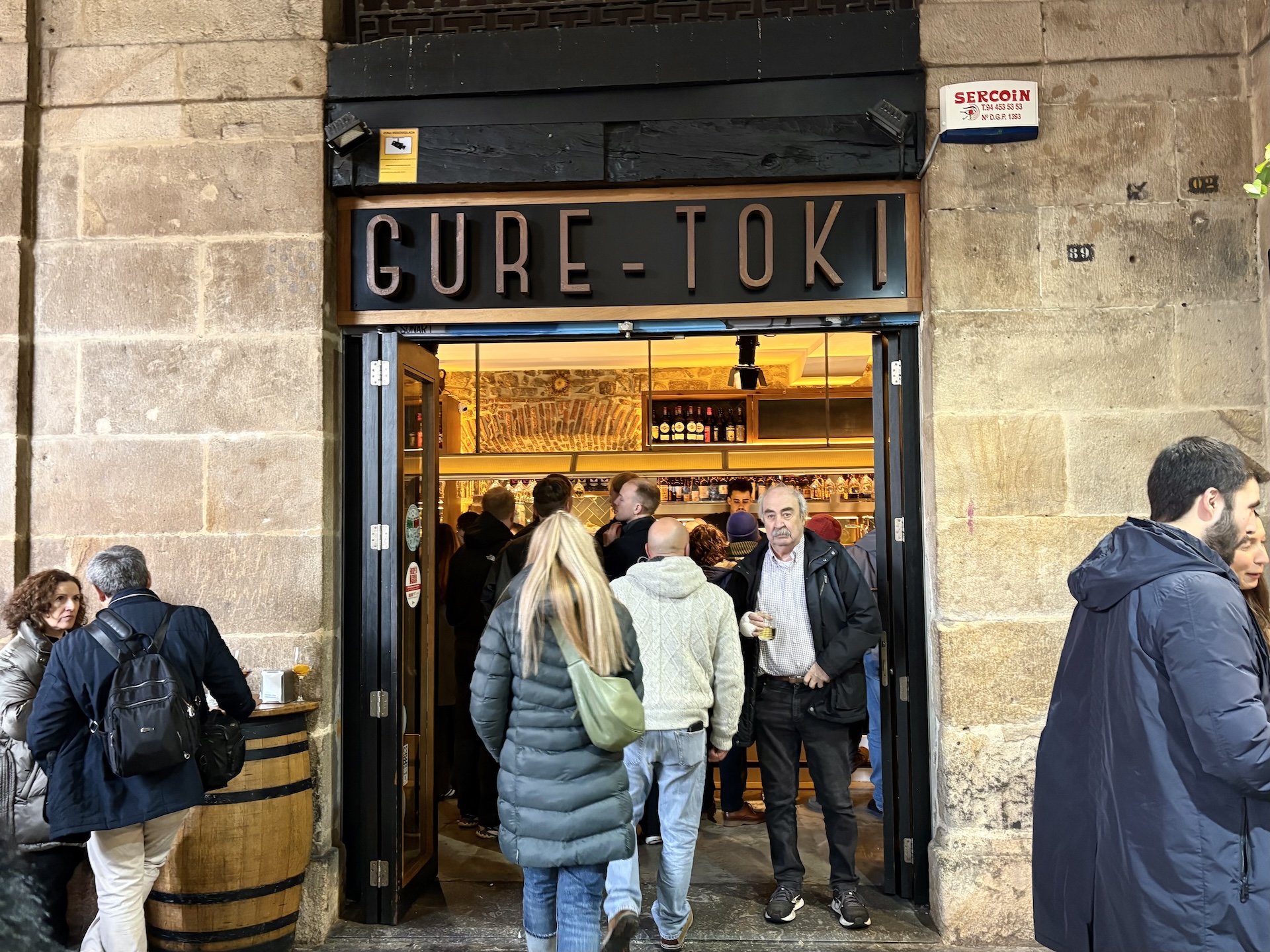
Bilbao
Gure-Toki: One Pintxo at a Time
At Gure-Toki, classic Bilbao pintxos meet restaurant technique, seasonal ingredients and a lively Plaza Nueva setting.
Read more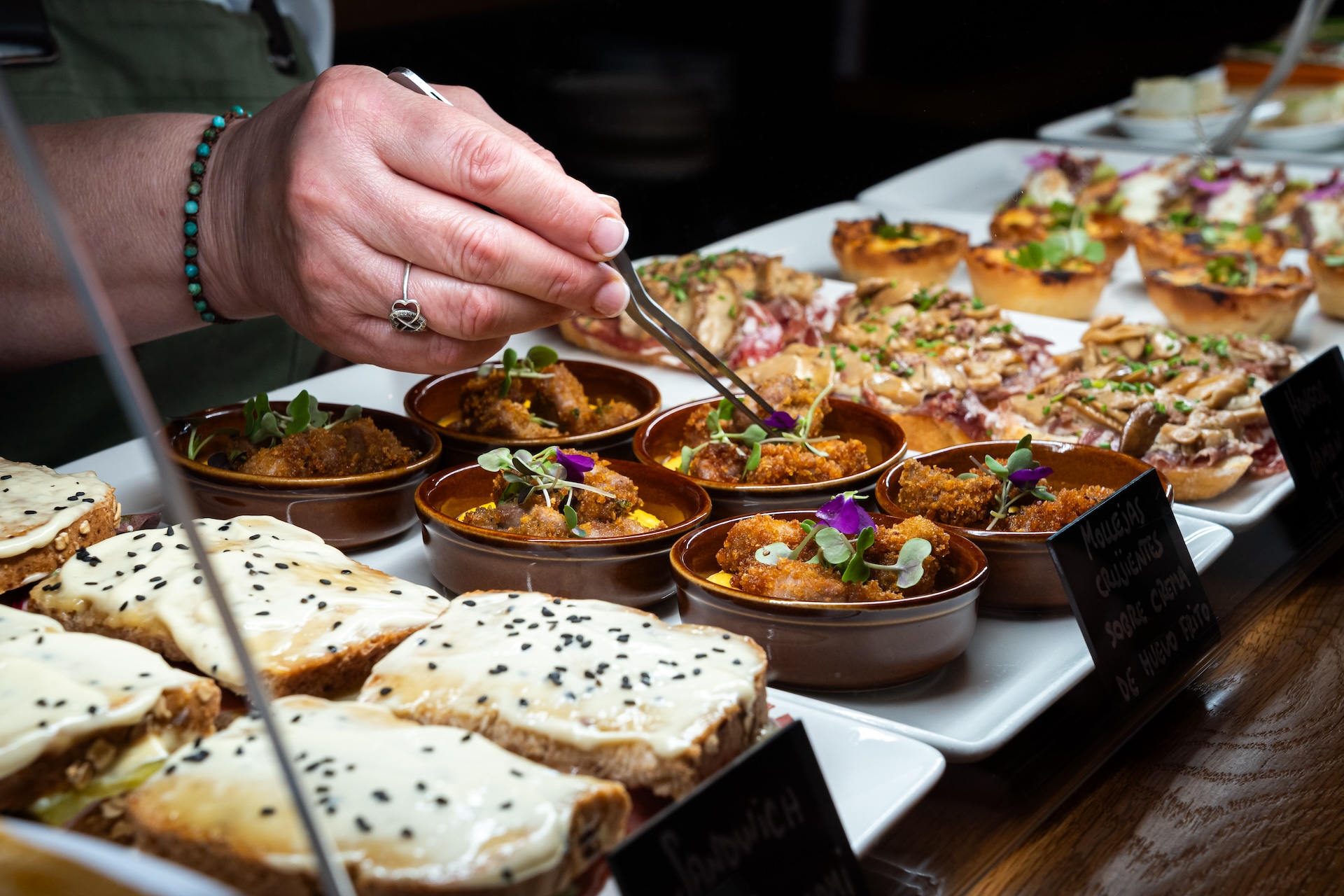
Bilbao
Cork: A Bilbao Bar for Wine and Basque Cooking
Near San Mamés, Cork has become one of Bilbao’s most compelling addresses for wine by the glass, thoughtful pintxos and classic Basque dishes served in a bar that still feels personal.
Read more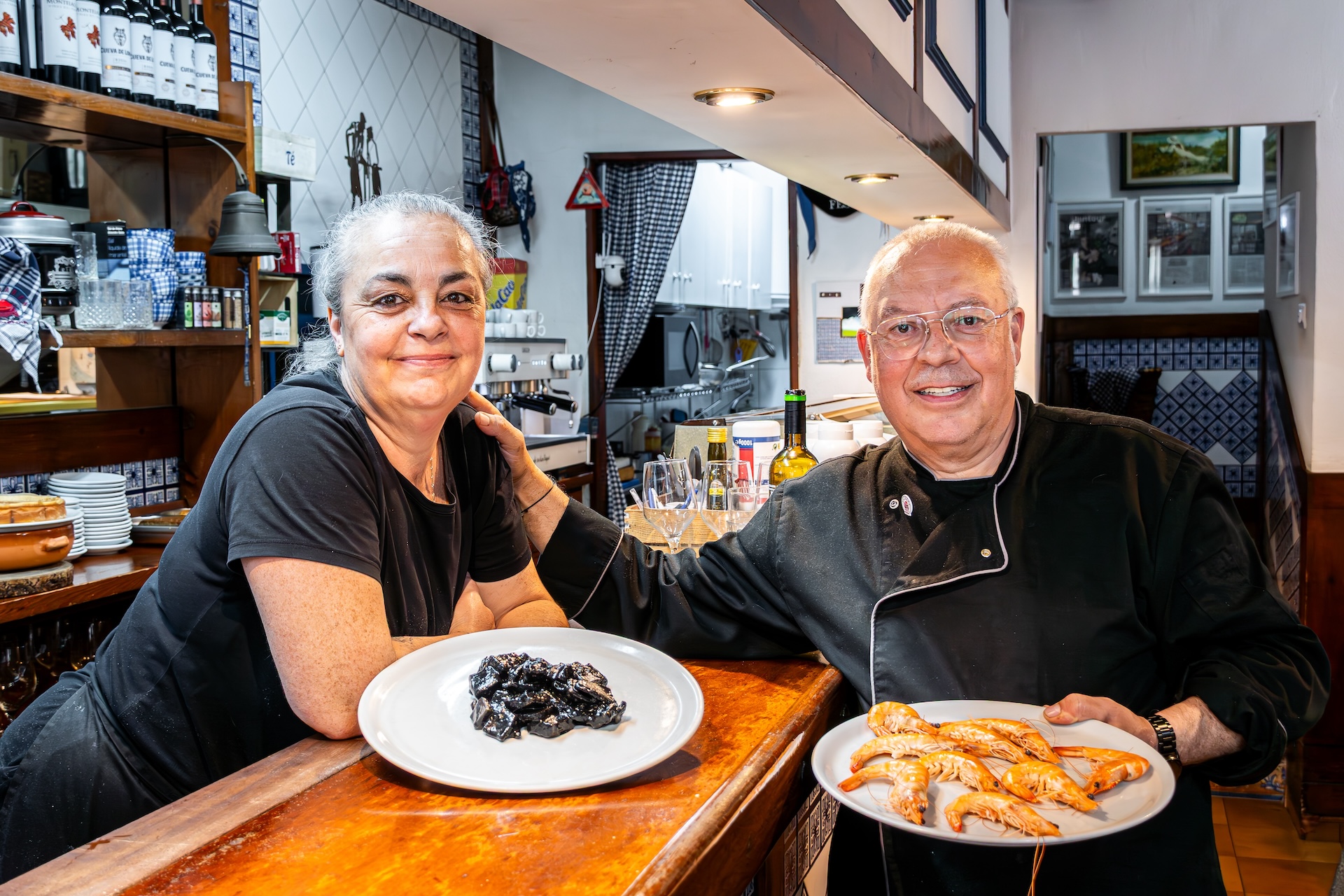
Bilbao
Bikandi Etxea: Eating the Old Bilbao Way
A beloved local tavern near Bilbao’s City Hall, Bikandi Etxea serves classic Basque stews, sauces, and a menú del día to fiercely loyal regulars.
Read more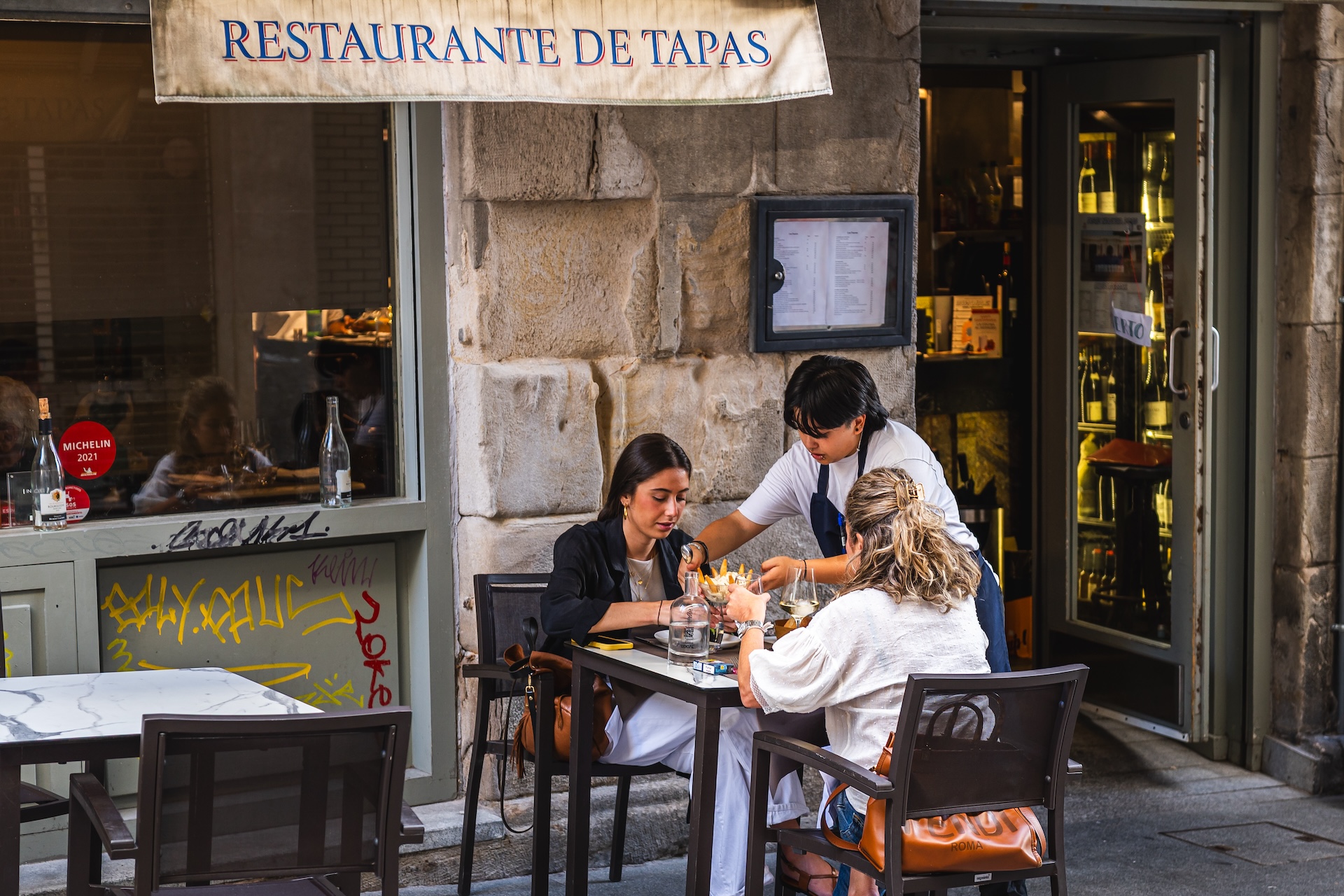
Bilbao
Los Fueros: Where Bilbao Tradition Gets a Twist
Bilbao’s oldest restaurant, Los Fueros, continues to honor Biscayan cooking featuring prawns and stews.
Read more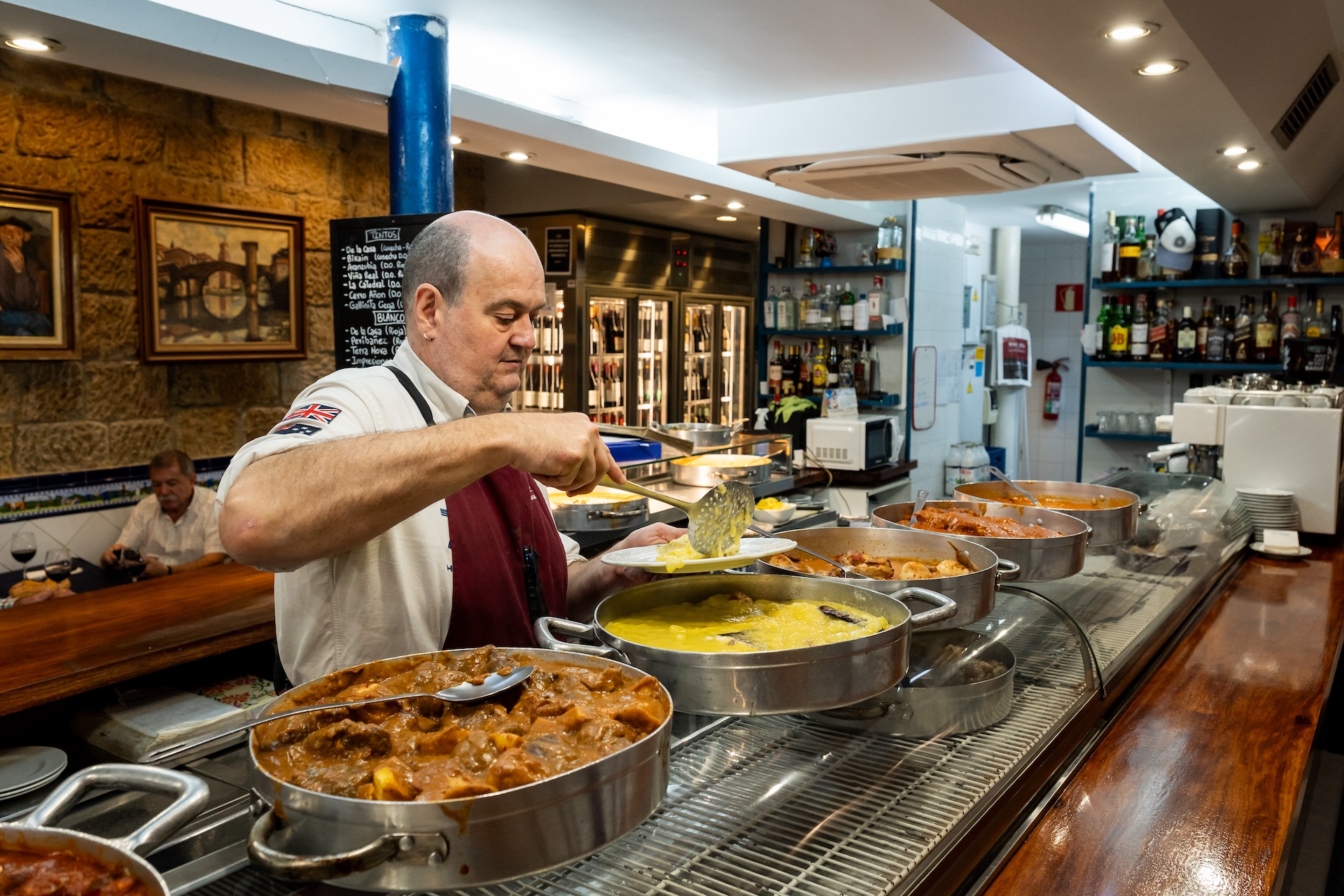
Bilbao
The Essentials: Where To Eat in Bilbao, Spain
From century-old pintxo bars to modern Basque grill houses, this is your essential guide to where to eat in Bilbao, Spain
Read more
Bilbao
Monty: Basque Classic
Monty sits just a couple of blocks from the Guggenheim Museum, yet it remains largely unknown to the international public. Nestled on a lively corner of Bilbao’s Ensanche district, it’s one of those bars that encapsulates the city’s character: traditional yet open to change, classic in its presentation, and deeply serious when it comes to food and drink. The area surrounding Monty has become a trendy hotspot for taverns, restaurants, and cocktail bars, home to some of the most daring culinary ventures in the local scene. Within just a few blocks, you can find haute cuisine establishments, seafood sanctuaries, international kitchens or aspirational bistros. Most of these places have emerged around the past decade, fueled by the city’s growing tourism sector.
Read more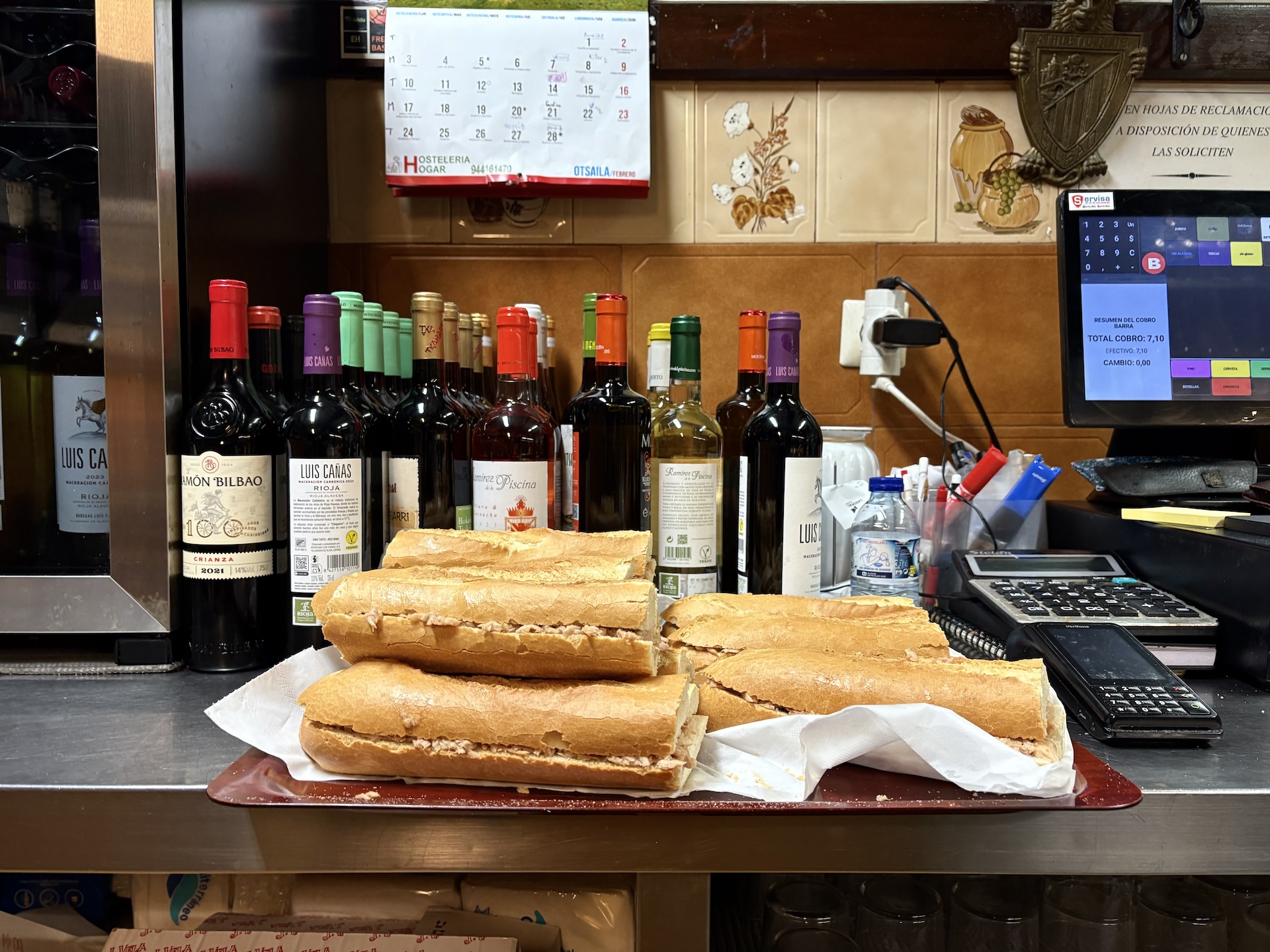
Bilbao
Bodega Joserra: A Century of Delicious Simplicity
Pintxo bars abound in Bilbao, concentrated in the narrow streets of the Casco Viejo, the old town on the shores of the Nervion estuary. Known colloquially as Zazpikaleak (“seven streets” in the Basque language), this is where the city was born, and its streets are still full any day of the week with residents, shoppers, tradesmen and locals doing some old-fashioned poteo. If you plan on stepping foot in this Basque capital, you’d better learn what poteo is firsthand. The endurance required to barhop with a Basque is real, especially considering this social act consists of downing glass of wine after glass of wine in what is essentially a bar crawl. Fortunately, the Basques have invented their own coping mechanism – the pintxo.
Read more
Bilbao
Bilbao: State of the Stomach
With just 30 minutes to go until noon, Plaza Nueva already smells like pintxos de tortilla. Children chase after a ball or trade collectible cards while adults scramble for free tables. Meanwhile, gildas – skewers of olive, pickled guindilla pepper, and anchovy – stand firm at the bars like armies of tiny soldiers. It’s a typical Sunday in Bilbao, as long as the weather cooperates. If not, all the action moves under the arcades, where crowds gather, raising their marianitos high. This local drink, a mix of vermouth with a splash of Campari, another of gin, a few drops of Angostura bitters, and sometimes orange juice (every place has its own recipe), is practically a religion here.
Read more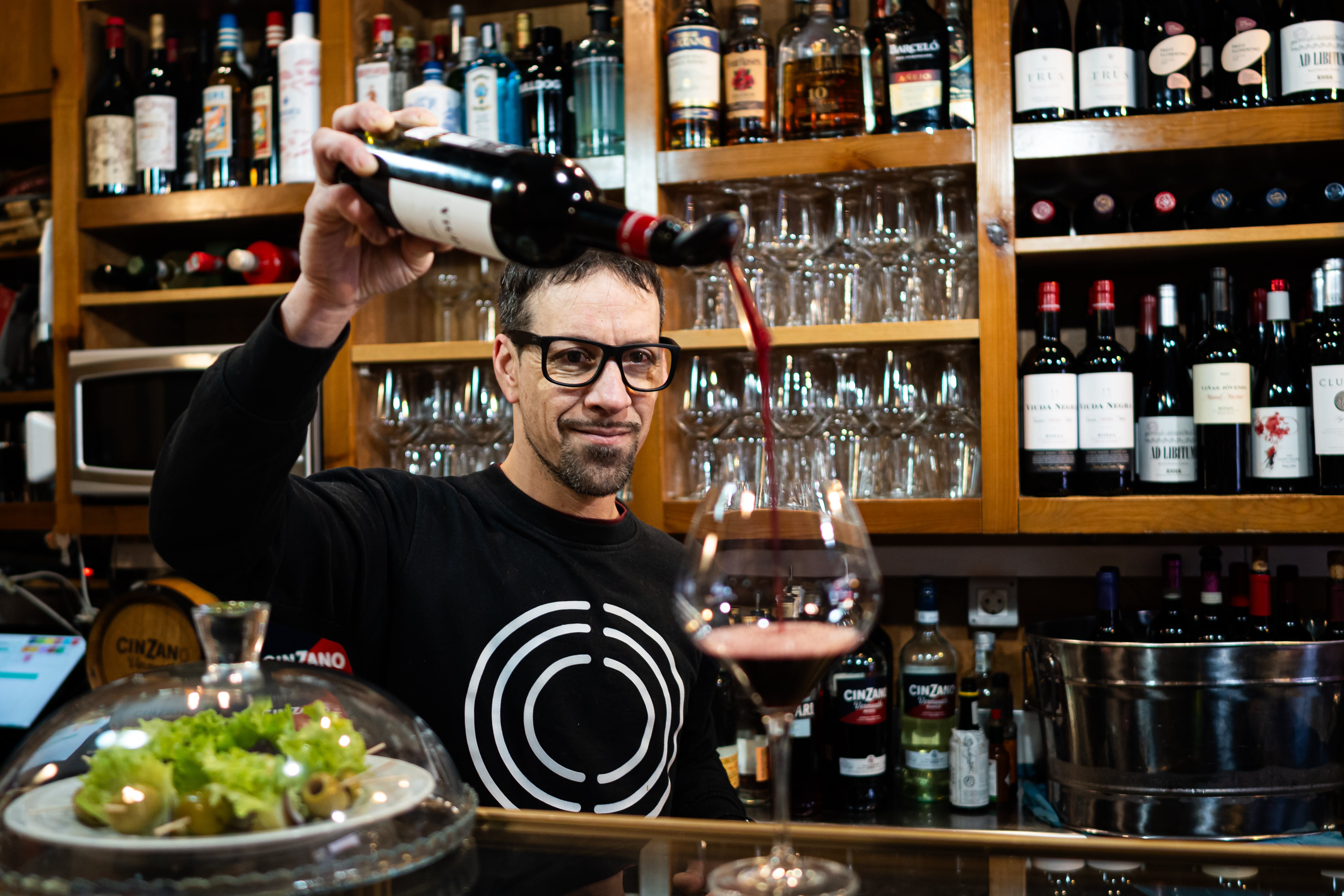
Bilbao
Taberna Basaras: Bilbao in a Glass
If you turn the corner onto Calle Pelota and see a swarm of people in the street, wine glasses in hand, dive right in. You have officially left the tourist pintxo routes in Bilbao's historic Casco Viejo neighborhood and entered the realm of the locals, who storm the streets daily in search of a good spot for a drink and a bite before lunch and before dinner. Many believe that the fame of Basque pintxos – small bites offered on the counter of almost every bar – is the result of a culinary phenomenon, but it really comes from a social one. When you step through the door of Taberna Basaras, you have found one of the best places to take part in it. This tiny tavern – barely a counter, half a dozen stools, and many, many bottles of wine – offers a concentrated essence of what the Basque people expect when they go out to potear – the habit of meeting with pals to go from bar to bar: Friendly atmosphere, rich wines, and simple but tasty snacks.
Read more
Bilbao
Txintxirri: The Art of the Pintxo
In Bilbao, some might tell you that the art is inside the Guggenheim Museum, but most would argue it’s found at the counter of a good tavern. Here, the pintxo de tortilla (AKA Spanish omelette) is enough to stir emotions just like a Chillida sculpture – and yes, it can make or break a bar’s reputation. That’s why, even though it might seem simple, serving tortillas in this city is a serious matter. Manu Urra and Andoni Ibarguren knew that when they opened Txintxirri in 2019, but they didn’t hesitate to make this pintxo their calling card. They pulled it off – even through a pandemic. “And it has evolved so much. When I look at the ones I made back then, I don’t like them at all. There’s always room to improve, and I’m still working on it,” Ibarguren admits.
Read more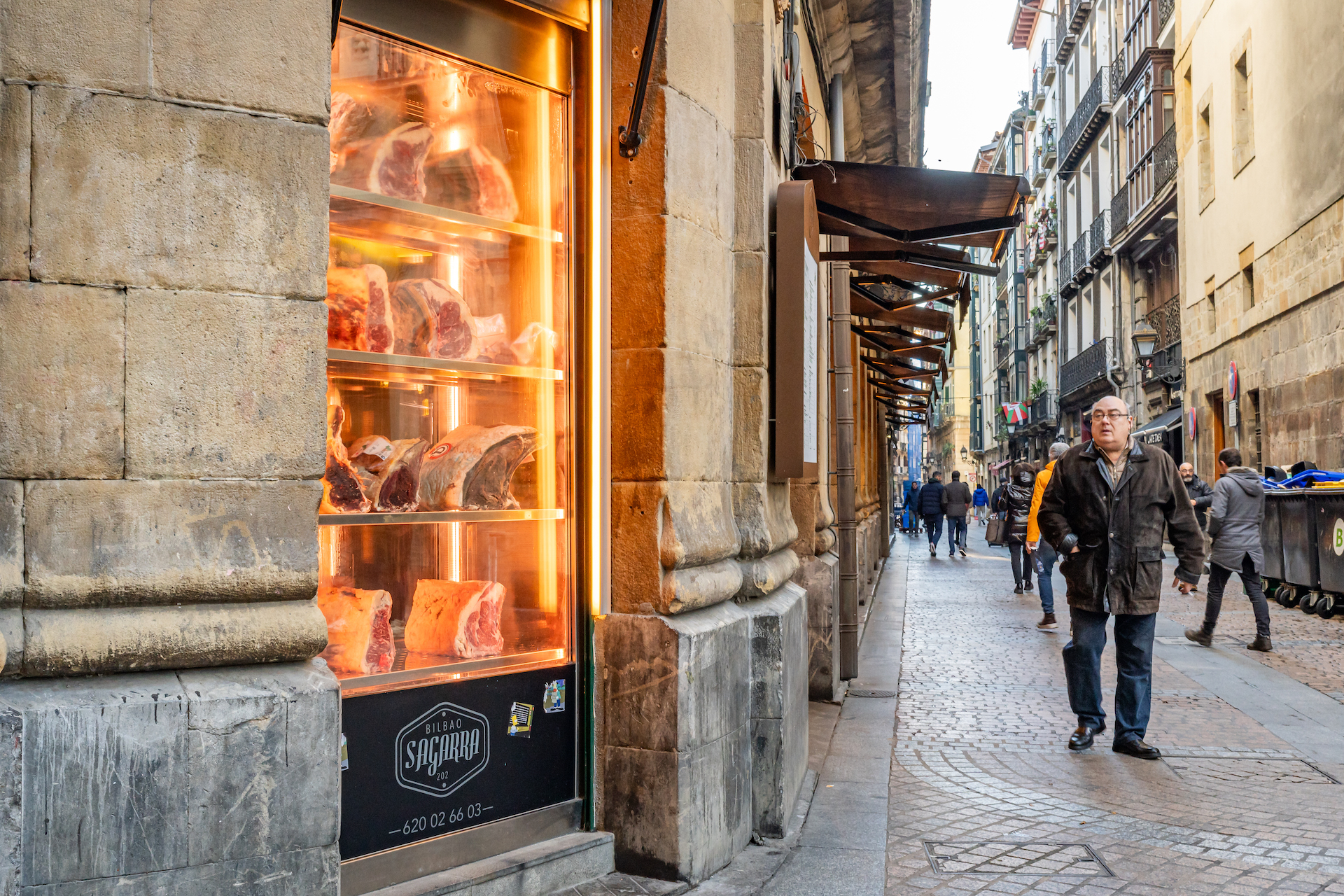
Bilbao
Scenes from Our New Bilbao Tour: A Photo Essay
Very few things in Bilbao are as they used to be. Some old bars, some ancient traditions, a chunk of a medieval wall, a handful of simple dishes. What has held strongest over generations is the intense connection Bilbainos feel to their Basque identity and passion for eating and sharing food with others. The image of local cuadrillas – groups of friends of all ages – eating pintxos and laughing over a glass of txakolí or cider is a daily constant. Bilbao is a phoenix of urban renewal, rising from a period of industrial decline to become a center of modern Basque cuisine that incorporates global influences with contemporary culinary quirks.
Read more


Daily Dispatches from the Frontlines of Bilbao
Get Your Free Bilbao Pocket Guide
Introducing our pocket-sized Bilbao guide — perfect for your next culinary adventure. Yours free when you sign up for our newsletter.
Get Your Free Bilbao Pocket Guide
Introducing our pocket-sized Bilbao guide — perfect for your next culinary adventure. Yours free when you sign up for our newsletter.
Immersive Multi-Day Journeys In and Around the World’s Culinary Capitals


Your trips, powered by our picks
Curated Bilbao Travel Boards


Culinary Backstreets® Envoys, Always Searching for the Next Hidden Gem

Gonzalo
Bilbao Food Tour Leader

Paul
Bilbao Tour Leader

Kaya
Bilbao Tour Leader

Aritz
Bilbao Photographer

Marti
Bilbao Correspondent

Guillermo
Bilbao Correspondent

Lakshmi
Bilbao Correspondent
Your Questions, Answered
Summer (June-August) can get busy. Spring (April-May) and fall (September-October) offer pleasant weather and fewer crowds. Even winter (November-March) can be enjoyable, though expect some rain.
The Casco Viejo (Old Town) is great for atmosphere and pintxos hopping, but can be noisy. Abando (the city center) offers a mix of convenience and modern amenities. Indautxu is a more residential area, but still well-connected.
Bilbao Airport (BIO) has direct flights from many European cities, and some international connections as well.
Bilbao itself isn’t on the coast, but there are several beaches within easy reach by metro or bus. Getxo (reachable by metro) has several beaches, including Ereaga and Arrigunaga. Sopelana (also reachable by metro) is popular with surfers.
Bilbao is the biggest city of the Basque Country, a region in northern Spain with its own culture and language, Euskera. It’s an industrial port town that’s been given new life, nestled in a valley surrounded by green mountains, by the Nervión River estuary that flows into the Bay of Biscay.
Bilbao is a city that’s reinvented itself. Yes, there’s the iconic Guggenheim Museum, but also explore the Casco Viejo (Old Town) with its narrow streets and pintxos bars. Walk along the river, take the funicular up Artxanda Mountain for panoramic views, and soak up the Basque atmosphere. And, of course, eat. A proper pintxos crawl is practically mandatory.
Bilbao has a mild, oceanic climate. You can expect rain throughout the year, but it’s nothing too rough. Summers are warm, with average highs around the low 70s°F. Winters are cool, with highs in the 50s and lows in the 40s.
Bilbao is generally more affordable than other major European cities, but it’s not as cheap as some parts of Spain. Pintxos, or small bites, can be a budget-friendly way to eat, with each one costing around 2-4 euro. A sit-down meal might be 20-50 euro per person, with high-end gastronomy on offer as well. A 3-star hotel can range from 70-150 euro per night.
Bilbao is a very safe city with low crime. As always, be aware of your surroundings, especially in crowded areas and at night, but generally, you can feel comfortable explorin
Pintxos have it all. These are the Basque take on tapas – small, elaborate snacks, often served on a slice of bread and held together with a toothpick. Beyond pintxos, try the grilled txuletas (beef steaks, often aged), and the traditional dishes like bacalao al pil-pil (cod in a garlicky olive oil sauce), txipirones en su tinta (squid in its own ink), or marmitako (a hearty tuna stew). And don’t forget the Basque cider and wines – Txacolí and Rioja Alavesa!
Yes, same Schengen rules as the rest of Spain: 90 days within 180 for US passport holders. ETIAS from late 2026. No vaccination or testing
Americans can visit Spain for tourism without a visa for up to 90 days.
For a casual pintxos experience, wander through the Casco Viejo and hop from bar to bar – try Gure Toki or a local-looking bodega. For a more formal meal, consider any of the great traditional classics like Los Fueros, Porrue or La Despensa de Etxanobe. For a splurge, you can always count on the several Michelin-starred spots in town like Mina or Zarate. Though, we are partial to the more low key when it comes to contemporary, like Lucky Baster. But remember, some of the best food is found in Bilbao’s unassuming bars.
Bilbao is a family-friendly city. There are parks, playgrounds, and the Guggenheim itself can be engaging for kids. The pintxos culture we’ve been going on about can be surprisingly kid-friendly – there’s usually something for everyone. The metro and tram make getting around easy.
Two full days for Bilbao itself, plus one for the Rioja Alavesa wine country or a trip to San Sebastián. Bilbao is compact, you can cover the Casco Viejo pintxo circuit in an evening.
Bilbao has made significant strides in accessibility. The modern areas, including the Guggenheim and much of the riverfront, are generally well-equipped with ramps and elevators. The metro system is largely accessible. The Casco Viejo, has a flat core as well.
Culinary Backstreets runs one food tour in Bilbao, Bilbao Reborn: Feasting in the Basque Comeback City, a full-day walk that focuses on pintxo bars, Basque market culture at the Mercado de la Ribera, and family-run cider houses. Led by a resident Basque food writer.
In Bilbao, pintxos lean rustic and price-conscious, meat, cured fish, and simple bread constructions eaten quickly at the bar. In San Sebastián, they've evolved into small-plate haute cuisine with higher prices and more visual polish. Bilbao is where locals eat, San Sebastián is where chefs perform.
Bacalao al pil-pil, txipirones en su tinta, txuleta (Basque bone-in ribeye), Idiazábal cheese, and a Gilda pintxo. Drink txakoli poured from height, or Rioja from a nearby cellar.
Very much all three. Solo travelers thrive because the pintxo circuit is designed for standing at the bar, ordering one plate at a time, and moving on. Families are welcome, and the flat Casco Viejo works well for strollers. Groups of four to six do well booking a sagardotegi (cider house) meal for the standing txotx ritual.
In Casco Viejo: Gure Toki, El Globo, Xukela, Rio-Oja. In Ensanche: Los Fueros, La Viña del Ensanche, Bihotz. Follow the crowd of locals, not the tourist queues.