S M B O measurement-vertical measurement-vertical

Latest Stories

First Stop

Editor's note: In the latest installment of our ongoing series First Stop, we asked Stavriani Zervakakou, chef of the restaurant Karaköy Gümrük in Istanbul, where she stops first for food when she returns to Athens. Athens rarely lets me down when it comes to food. And although I am a seafood person, the first thing my soul craves after a long stay in Istanbul are grilled juicy pork skewers calmly hugged by the crispy arms of a well-baked pita bread.

İnciraltı

We like to think of İnciraltı, a laid-back meyhane in the sleepy Bosphorus-side Beylerbeyi neighborhood, as a destination restaurant – not so much because of the food, but because of the destination itself. Not that there’s anything wrong with the food here, which is reliably well made. The meze tray at İnciraltı (which means “under the fig tree” in Turkish) is brought to your table carrying all the classics, plus a few welcome and tasty surprises, such as the zingy brined twigs of the caper plant and a sea bass fillet that has been cured in a piquant sauce redolent of curry.

Entrepanes Díaz

Kim Díaz, a well-known local restaurateur and owner of Bar Mut tapas bar and El Mutis cocktail bar, wanted to pay tribute to one of the most humble and sadly underrated Spanish snacks, the sandwich. Sandwiches are generally made by most Barcelonan bars with defrosted cheap bread and greasy fillings, and good ones are not easy to find in the city (though we have written about some great ones). Entrepanes Díaz opened last February with the goal of giving the sandwich the respect it deserves.

Tsurutontan Roppongi

The West has gone gaga for noodles, Japan’s most cherished comfort food. Hungry diners pack secret soba dens in Los Angeles for bites of hand-cut anything; they line up to plunk themselves down at sparkling counters offering $100 ramen tastings in New York and pick through ramen au beurre in Paris looking for the next new taste. In Tokyo, ramen masters are now competing for cult status within a ramen culture imported from the United States. Soba chefs are newly coveted for their skill in grinding, rolling, cutting and plating and are praised as master craftsmen.

El Parrillón

Tacos are everywhere in Mexico City, and though the options are many – chicken, al pastor, carnitas, carne asada – the basic ingredients tend to be the same wherever you go. That’s why, as we were walking the aisles of Tianguis La Raza on a Sunday morning, El Parrillón caught our attention. A big sign announced tacos – nothing new there – but besides the classic chicken and bistec, cecina and arrachera – all different cuts of beef – El Parrillón (roughly, “The Big Grill”) offers several Argentine-style sausages and cured meats, including chistorra, a small spicy sausage, and panceta, pork belly (like Italian pancetta), as well as Spanish chorizo, which, unlike the fresh Mexican sausage, is cured. But for us the real draw was griddled provolone, which we had never seen on a taco before and happens also to be one of our favorite cheeses.

Meşhur Öz Suruç

To the uninitiated, the restaurant owners of a small corner of Istanbul’s Yenibosna neighborhood might come off as having an unhealthy obsession with particularly garish versions of the colors yellow and green. As we recently explored the lower end of the Yenibosna neighborhood, one of Istanbul’s large periphery boroughs, we stumbled upon a small cluster of kebap shops spread out amid a run-down yet bustling strip of auto repair shops and congested rows of apartments, with each eatery’s sign decked out in identical yellow and green trim.

Koco

Reviewers are often tempted into using metaphors that portray the restaurant as a sacred place -- the sushi temple, a t-bone pilgrimage, chili-cheese fry heaven. But in Istanbul’s Moda district on the Asian shore, we’ve found a praiseworthy fish restaurant that could justifiably be described as a shrine – literally. For more than 50 years, a local Greek family has been serving saints and sinners alike at Koco, a rambling seaside fish house situated atop an ayazma, or sacred spring. There’s meze and fresh grilled fish with raki upstairs, candles and a shot of holy water downstairs. Judging by the size of the dining room, Koco is preferred by very large groups. One recent weeknight, though, there were just enough customers to fill in the tables lined along the windows. The view of the old Moda ferry dock and the Marmara Sea from the window side of the room is excellent but leaves you leagues from the coat check where the staff hangs on a slow night.

Dionysus Returns

There’s been a revolution taking place in Greece over the last couple of decades, and it doesn’t have much to do with the political and economic turbulence troubling the country – it’s all about wine. Wine in Greece, of course, has ancient origins: The first traces of it were discovered on the island of Crete and date back to 2500 BCE, during the Minoan civilization, and the oldest winepress in the world was found in the ruins of Vathypetro, near Heraklio.

CB Book Club

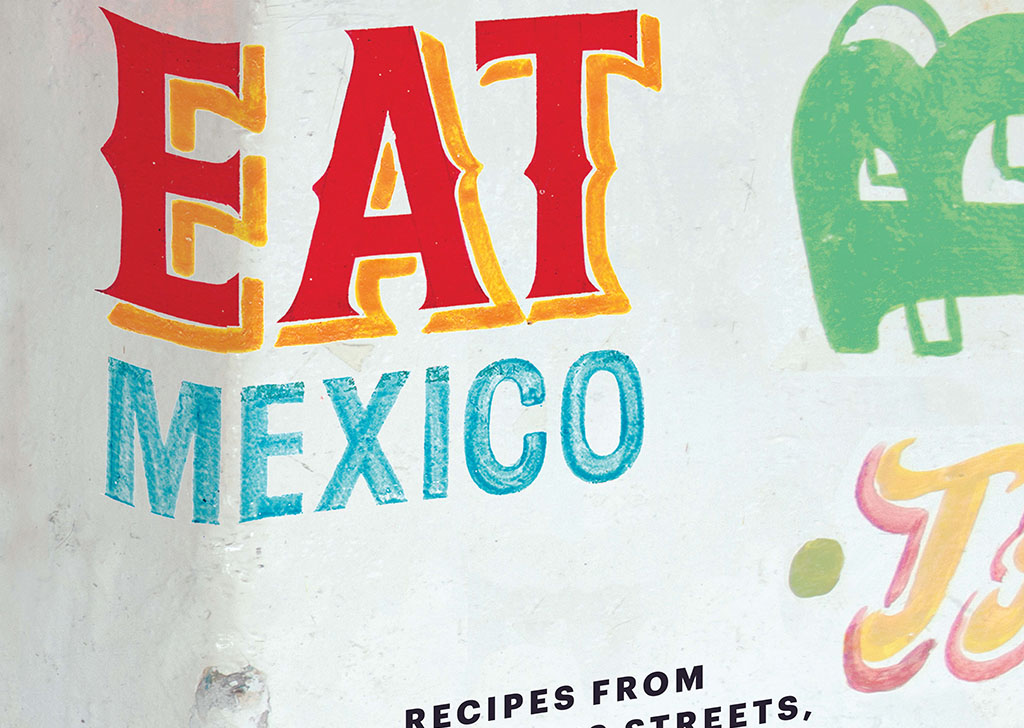
.For the second installment in our Book Club series, we spoke to Lesley Téllez, author of Eat Mexico: Recipes from Mexico City's Streets, Markets & Fondas (Kyle Books, June 2015).

Sıdıka

It has been years now since we were first tipped to Sıdıka. The W Hotel had just opened in the splashy Akaretler rowhouse development. Vogue, the rooftop sushi lounge, was still in style. The Shangri-La hotel was under construction down on the waterfront, and it was rumored that some rooms would have Bosphorus views below sea level. Beşiktaş, long the bastion of cheap draft beer joints and university student flatshares, was having some growing pains.

Hanna Metri

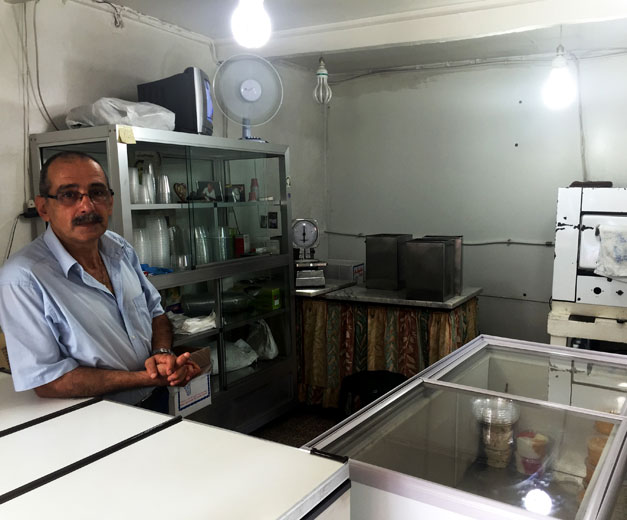
The end of summer in Lebanon can be tricky. Sometimes it begins to rain in September, causing our favorite summer places to close early; other times it stays hot and humid almost until December. While it’s still hot out, locals seek out one of the treasured regional deserts, booza. At first glance, it seems like ordinary ice cream, but the minute you scoop it up you soon realize this frozen ice cream has a gum-like stretch. Booza is typically known as Arabic ice cream and is made with mastic gum, which prevents it from melting quickly in the hot summers we usually face. Unfortunately, many of the more traditional booza shops have given way to overpriced gelato parlors that serve extremely sugary ice cream to mask their artificial flavors. Few remain that serve traditional Levantine ice cream made with fresh fruit and cream. Ask anyone where you can find this delight, however, and they’ll point you to Hanna Metri.

Maya Café

If there is a word to describe the Laranjeiras (“Orange Trees”) neighborhood, it is “pleasant.” Agradável. Agreeable. As you walk up its main drag, Laranjeiras Street, you pass by the creamy yellow and white façade of the elegant 19th-century National Institute for the Education of the Deaf on your right. Soon, on your left, you could come across the youth orchestra Camerata Laranjeiras playing free concerts at the General Glicério fair. It’s measurably Rio’s most progressive neighborhood – in the 2012 mayoral election, it was the neighborhood that most favored human rights activists and opposition candidate Marcelo Freixo (48 percent of the neighborhood voted for him in the election against Mayor Eduardo Paes, whereas the city as a whole voted only 28 percent for Freixo). Follow the rising street to its top and you’ll find yourself at the tourist train, ready to go visit the Christ statue.

Bus Fare

The Yenibosna bus station sits at the intersection of numerous transit routes, where passengers can embark on journeys to the furthest corners of the city as well as to its beating heart. Close to Istanbul’s main airport, and wedged in beneath several high-rise towers that seem to have ascended from the ground overnight, the bus station sits adjacent to a major metro line and below the main E-5 highway, with the grubby, crowded neighborhood of Yenibosna to the north.

Norte

On a beautiful corner of L’Eixample sits Norte, a small yet warm, inviting and light-filled bar with a constellation of shining lights spelling out its name inside and a few tables with fresh flowers. The restaurant was started by three partners, Lara Zaballa, María González and Fernando Martínez-Conde (who left the project last year). They met while working at Barcelona’s acclaimed Moo restaurant and had come to cooking from studying philosophy, art history and journalism at university. They were each looking for something more hands-on, work that gave them direct physical contact with matter, and that shared motivation connected them from the beginning. All three also came to Barcelona from other cities in northern Spain. After their experience at Moo and other projects (Zaballa and Martínez-Conde wrote for the prestigious cooking magazine Apicius), they looked for a more enjoyable and less stressful way to do what they loved, starting with basically nothing but their enthusiasm and their solid ideas to convince the banks to give them a loan to start their own restaurant in 2011.

Café Sakura

Roppongi’s Café Sakura serves as a restaurant and seating area for a bundle of businesses under the same ownership. There’s the Café with table service, the Wine Shop Sommelier (retail wines straight from the vineyard at considerable discount), L’Atelier du Pain (a Japanese-style bakery and cheese shop) and the French patisserie Coco Ange. Put them together and they enjoyably represent a Japanese take on the Western idea of “happy hour.”

logo

Terms of Service