S M B O measurement-vertical measurement-vertical

Latest Stories

BAPS Shayona

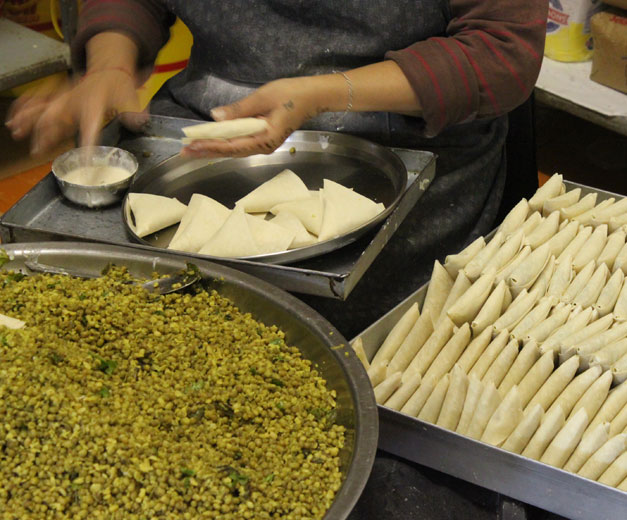
In a country where people gather around outdoor braais (barbecue grills), chowing down boerewors (farm sausage), steaks and walkie talkies (chicken feet and heads), most would think a South African vegetarian would be an anomaly. On September 24, Cape Town will celebrate Heritage Day, which was recently also declared National Braai Day. Even Archbishop Desmond Tutu has become a “Braai for Heritage” supporter. The idea is that South Africans, once separated by law, can unite around a common national heritage of grilling meat, irrespective of politics, race and culture. Mealies (corn on the cob) are always welcome on the grill, but there’s yet another, more veggie-oriented side to South Africa’s “heritage.” Home to the greatest population of Indian descent outside India, South Africa has one of the largest concentrations of Hindus in Africa. Due to British colonial history, a large number of Indian traders and enslaved workers arrived in the country in the late 1800s. Even Gandhi spent his formative years on South African shores. And in a historically Indian neighborhood of Cape Town, a culturally vibrant street offers vegetarian delights whether or not there’s a shisa nyama (braaiing meat) public holiday.
Uo-Katsu

Before Roppongi Hills rose from the warren of rambling streets, aging wooden homes and traditional Japanese ways nestled amongst embassies and Korean barbeque joints, Azabu Juban was a sleepy section of Tokyo, moored more in custom than the flashy markets and designer boutiques to come. The main shoten gai, or shopping street, was a classic example of Japanese daily life. Small mom-and-pop stores catered to neighbors, and after the third or fourth visit anyone could be a regular. The vegetable man would disappear into the back of his stand and produce a perfectly ripe melon before you had to ask; the flower vendor waved at her customers even if they weren’t in the market for flowers; and the shoe repair man admonished everyone for not shining their shoes regularly enough.

Els Tres Porquets

Marc Cuenca was the kind of kid who was interested in what other people were eating, and this curiosity was the seed of his own restaurant, Els Tres Porquets ("Three Little Pigs"). A small enoteca and tapas bar with just a few tables, it sits in Poble Nou-El Clot, an area that brings to the restaurant a combination of locals, office workers and Spaniards and foreigners employed by startups and other businesses in the 22@ innovation district. While these days the city – and indeed many cities around the world – is teeming with restaurants specializing in an ambitious menu of small plates intended for sharing, in 2009, the concept was still quite new when the "three little pigs" arrived in the city.

CB on the Road

Cariocas are doubly lucky. They live in a city bursting with natural beauty even in its concrete corners, where wide red and waxy abricó-de-macaco flowers grow in crowded plazas and you’re liable to have an overly ripe and spikey jacá fruit fall on your head as you rush to an appointment. For many, Rio is vacation, beaches, forests and samba clubs – enough to satisfy the craving for a life more exotic.

Uğur Manav

Stretching 25 feet alongside a pharmacy in the heart of Istanbul's Şişli district, just a three-minute stroll from Osmanbey metro station (Pangaltı exit), lies Uğur’s fruit and vegetable stand. Day in and day out, come rain or shine, Uğur sits and smiles, utterly engulfed by the fruits and vegetables he sells. Hundreds of people stop by his stand every day: family, old childhood friends, local politicians, tourists.

Breakfast in Beirut, Part 2

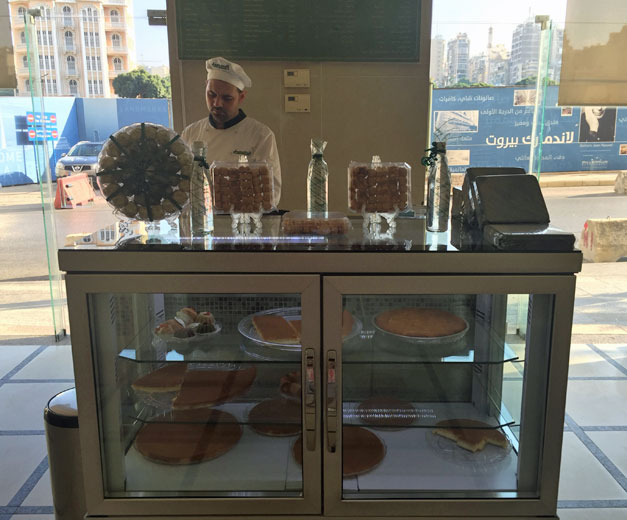
An iconic Middle Eastern dessert, knefeh is to Lebanon what waffles are to Belgium. There are no records of its origins, but according to local legend the cheese-filled pastry comes from the Palestinian town of Nablus, and now it exists in different variations around the region, including in Lebanon.

Best Buzz

As we wrote in part one, specialty coffee has really taken off in Barcelona, after a long period of limited options and mediocre to bad beans and roasts. Here are a few more of our favorites among the new generation of coffee shops: True Artisan Café Elisabet Sereno, a Barcelonan nutritionist, coffee specialist, a founder of the Specialty Coffee Association of Europe (SCAE) and a judge in the World Barista Championship, opened this coffee shop in 2014. It was created as a showroom and also serves an educational role in improving specialty coffee culture in Barcelona and Spain by organizing events, demos and tastings. True Artisan is an official La Marzocco espresso coffee machine distributor showroom, an SCAE-certified training center and a comfortable bar to while away an afternoon diving into Arabica aromas, latte art, cups, gadgets and machines.

Cochinita Power

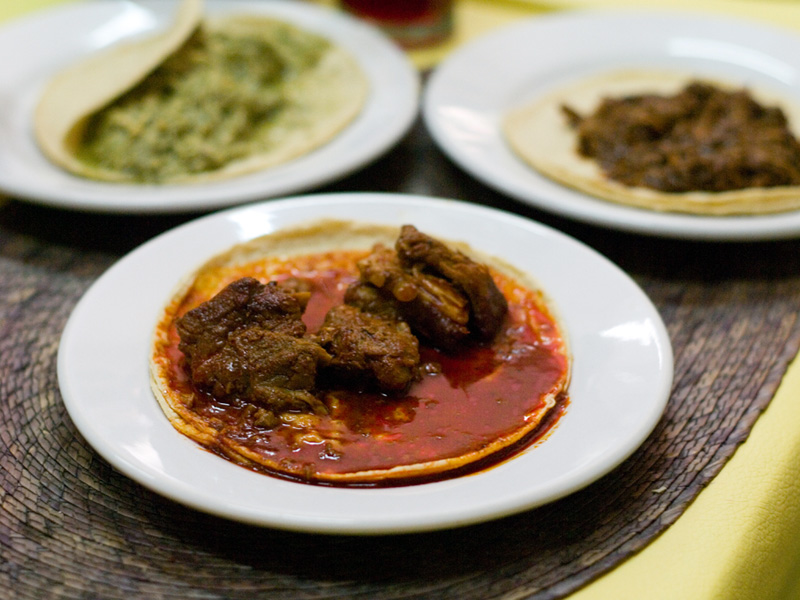
Here in Mexico City, there are many restaurantes yucatecos that serve the cooking of the Mayan states, including two of our favorites, Máare and Coox Hanal. And a few months ago, an eatery with a fresh take on Yucatecan food opened its doors in Colonia San Rafael. As its name indicates, Cochinita Power specializes in the region’s best-known dish, cochinita pibil. The traditional version consists of pork marinated in an acidic sauce made from achiote (annatto seeds) and Seville oranges, wrapped in banana leaves and roasted in an underground pit. At Cochinita Power, the meat is not roasted underground, but chef Alexis Estrada cooks the mouthwatering cochinita on the stovetop until the meat is incredibly tender and deeply imbued with all the spices and flavorings he adds to it.

CB Book Club

For many (us here at Culinary Backstreets included), the city of Gaziantep is without a doubt the culinary mecca of Turkey. Located not far from Turkey’s southern border, a meeting point between the Arab Middle East and Turkish Anatolia, Gaziantep over the centuries has developed a culinary culture that is deeply rooted in the rhythm of the agricultural lands surrounding it and that is maintained with great pride and honor by the city’s cooks and food makers. Gaziantep is also the source for many of Turkish cuisine’s iconic dishes – the city’s famous baklava is without compare and its kebabs are truly works of art, the standard by which all others are measured.

Con Sabor a Tixtla

Mexican cooking is clever. With just a handful of ingredients, each region of the country has managed to create a unique cuisine that reflects local lifestyles and traditions. This fact is made abundantly and deliciously clear at Con Sabor a Tixtla, a small, family-owned restaurant in Mexico City’s hip, vibrant Roma neighborhood. Located on a quiet street not far from Mercado Medellín, the restaurant specializes in food from Guerrero, a southwestern state – home to the famous resort town of Acapulco – known for its seafood and its green pozole, a meat and hominy stew that is one of Mexico’s most iconic dishes.

Yuyang Laozhen

Shanghai’s farm country is closer than most residents imagine, especially when surrounded by the city’s seemingly endless forest of skyscrapers. But just beyond the spires is a huge, green oasis: Chongming. Somewhat smaller than Hawaii’s Kauai, this island at the mouth of the Yangtze River grows much of the municipality’s food supply. The government is pushing plans forward to develop the area with “eco-friendly” industries by 2020 but, as usual, has not provided many details on how these goals will be achieved. A stopping point for millions of migratory birds each year, the island (for now) has several wetland zones and ecological parks that are open to visitors, making it a worthwhile jaunt for those wanting to escape Shanghai’s urban jungle.

Hamo'nun Yeri

During our previous trips to Istanbul’s “Little Gaziantep” – where we enjoyed the special techniques of Turkey’s culinary nerve center at the excellent Hizmet Kardeşler – we were tempted by what lay across the street. It was an alluring sight scarcely seen in Istanbul: the simple yet scrumptious nohut dürüm. The wrap of chickpeas, parsley and spices nestled within a formidable section of tırnaklı ekmek flatbread is the specialty at Hamo’nun Yeri (Hamo’s Place). Run by a family with roots in the Gaziantep district of Nizip, the restaurant’s name comes from the family patriarch.

CB on the Road

Some islands, Mykonos and Santorini for example, are known for their temples of gastronomy. Others, like Tinos, Milos, Syros and Sifnos, possess solid reputations for uniformly excellent tavernas. Until recently, Andros, a green anomaly in the treeless, windswept Cycladic chain, had two main attractions for tourists: a world-class modern art museum and a network of well-maintained hiking trails. You could get a decent meal after you’d seen the exhibition in Hora or trekked up to a 1,000-year-old monastery or down a river lined with water mills, but it wouldn’t be something to write home or tweet about.

Best Buzz

In Spain, as in the U.S. and elsewhere – even as we hit coffee pod peak – a new multicultural generation of specialty coffee shops are discovering and sharing with their customers the best ways to experience all the special characteristics of truly great coffee. Spain’s cities share the urban Mediterranean tradition of strong short coffee, very much influenced by Italian espresso and served in small cups or glasses, with tons of sugar and perhaps also liquors (orujo or aguardiente, anís, coñac). Much of the time, the quality of this coffee could really hurt your body and soul. It’s made from cheap, low-quality Robusta beans that undergo torrefacto (toasted at 200 degrees C with sugar) – once a technique to keep flavor and increase weight but now widely regarded as a way to hide terrible qualities or to ruin any coffee. At the same time, in the countryside and in small villages, café de puchero, coffee made in a pot and filtered with a cloth, much lighter and more diluted than espresso, was always the brewing method of choice before the rise of the stovetop moka pot.

Diamonds in the Touristy Rough: Makalo

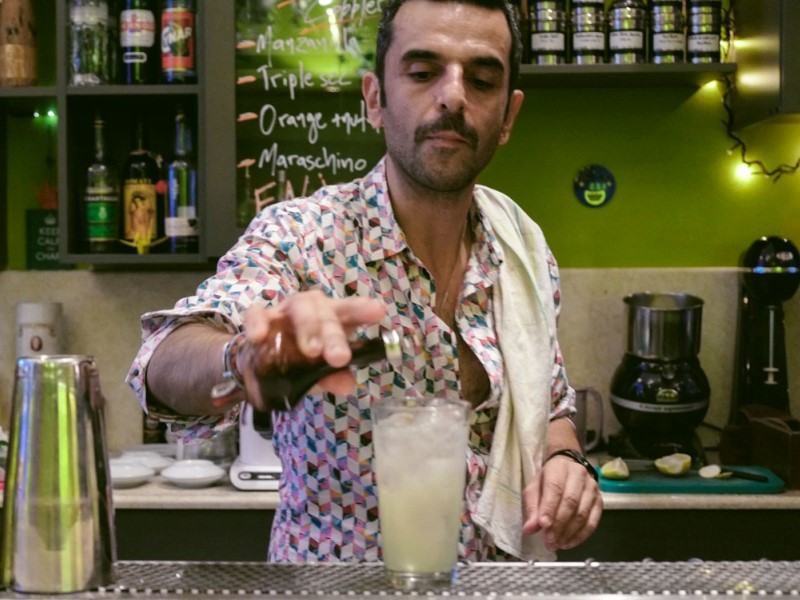
The quiet neighborhood where Makalo is located, right between Syntagma and Plaka, is home to some good restaurants (such as old-fashioned Paradosiako) and even to a strip of ethnic joints located on bustling Apollonos Street. Considering the area’s proximity to some of the biggest hotels in Athens and to the ultra-touristy Plaka, however, it’s rather surprising that not many visitors have caught on to the charms of Makalo, a local hangout with a fun vibe and great Greek-style cocktails.

logo

Terms of Service