S M B O measurement-vertical measurement-vertical

Latest Stories

Pulpería A Gudiña

Pulpo (octopus) is more than just a staple food in Galicia (the autonomous community in northwest Spain); it is an icon, a national symbol venerated by Galicians as well as Spaniards across the country. In Galicia, this cephalopod is consumed at traditional village fairs, and is sold on weekends at street stalls. These stands are usually run by women called pulpeiras, who boil dozens of octopuses on portable stoves in large pots made of copper. The octopus is then served on wooden dishes with paprika and olive oil, or plopped into plastic bags with some of the cooking water to take home.

El Cardenal

Sunlight filters through turn-of-the-century stainglass windows as the Cardenal waiters descend in but-ton-down white dress shirts and black vests. They offer a coffee, a concha, a hot chocolate – and in a flurry of dining activity you suddenly feel like the only person in the room. One of Mexico City‘s most well-loved eating establishments, El Cardenal overflows with extended families having Sunday lunch, tourists gawking at the restuarant‘s dining room murals, and long-time clients greeting the hos-tess by name as they pass by on the way to their favorite table. There’s a reason why El Cardenal is always mentioned in the best of the best restaurants in Mexico City. From humble origins, the restaurant has transformed into a veritable institution and has remained an iconic part of the community for over 50 years.

Dosas and Lemon Ice: Spring in Queens Featured Image

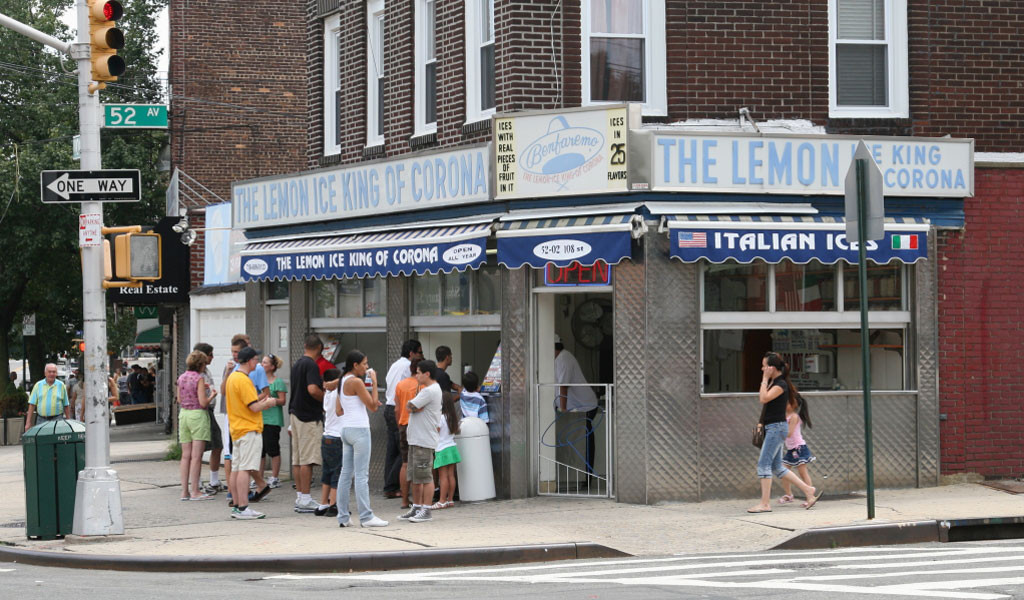
Springtime in Queens is a season of promise, particularly the promise that soon, very soon, your cold-weather wardrobe can be stored away till next winter. Often the weather is blustery and unpredictable, so it's wise to be flexible with your outfit – dress in light layers, carry a mini-umbrella. Provided that you're also willing to be flexible with your plans -- a drizzly day doesn't have to be a rainout – these two mini-itineraries can help you celebrate the season. Itinerary one: Temple Canteen, The Hindu Temple Society of North America (the Ganesh Temple), Queens Botanical Garden An image of the elephant-headed Hindu god Ganesha presides over the Temple Canteen.

CB On the Road

In February 2022, when Russian forces invaded Ukraine, after having already occupied parts of the country since February 2014, Georgians responded with anger and solidarity. Drawing parallels to their experiences with the Russian-backed breakaway regions of South Ossetia and Abkhazia, people in Tbilisi organized huge rallies in front of Parliament, gathered humanitarian aid to send to Ukraine, opened their homes to refugees, made solidarity borscht and posted signs in their restaurants and other businesses saying Russians were not welcome. The mood a few hundred kilometers west in rainy Batumi this March was more subdued – the protests were smaller (the city is smaller), and while Ukrainian flags and anti-war slogans blanketed the city, we didn’t see any of the anti-Russian, or even anti-Putin, signs, posters and graffiti that had proliferated throughout Tbilisi.

Flyby Dining

Eight, six, or even just four hours in Barcelona’s airport are enough to take a cab or the Aerobus and jump into the city. The ride from the airport to the center takes around twenty-to thirty-minutes, and is really worth it to escape from the capsule of the airport – and that feeling of being, but not really being in a place. Here, we give you several options for different layover lengths, all with options to stay close to the bus line or to move about by cab, to maximize your time and take home a more colorful and tasty experience of your stop in the Catalan capital.

Oumalala

A month ago, I moved into to my new place in Marseille’s La Plaine neighborhood. After the moving truck drove off, leaving me with stacks of boxes and furniture and no food yet in the refrigerator, I ventured out in my dusty jeans to find a place to eat some lunch in the neighborhood. On Rue Saint-Pierre, I passed Oumalala with its homey, hand-written signs offering vegetarian, organic cuisine, and I paused at the door. The olive green, ochre, and turquoise interior, lunchtime-lit candles and small vases of flowers garnishing the tables, the beautiful woman serving food, talking to customers, all pulled me in.

Living Vino

Once upon a time, Tbilisi wasn’t too kind to vegans – the reputation was sealed when a malicious attack in 2016 by “sausage-wielding” far-right extremists on the city’s then only vegan café made international headlines. Nonetheless, a handful of chefs and restaurant owners are determined to make a change. Tbilisi’s selection of vegan restaurants has increased since the attack, and these days, even those seeking a more gourmand fine-vegan-dining experience finally have an address to call on at Living Vino Vegan Restaurant and Natural Wine Bar. Living Vino’s Ukrainian founder Dimitri Safonov has long been acquainted with Georgia’s wine history – his first glass of homegrown Rkatsiteli was offered to him at the age of 12 by his grandfather, an amateur winemaker from now Russian-occupied Crimea.

Super Heroes

Just about anyone raised in or around New York City – and who loves eating – can tell you about Italian sandwiches. Not long ago, when we raised the subject with some of our dining buddies, in person and online, we were overwhelmed with recommendations. Our list of a few favorite sandwich shops quickly grew to more than two dozen that, we were told, we really ought to try. To be sure, this crowd understood that by "Italian," we didn't mean sandwiches native to Italy itself – not panuozzi, not schiacciate, not even panini. We were thinking instead of their hefty, even humungous U.S. descendants, the sort that are served on a long, flat wheat-flour roll, typically one with a chewy crumb and a crisp crust.

CB Book Club

For this week’s CB Book Club installment, we caught up with Andrea Lemieux, author of The Essential Guide to Turkish Wine: An exploration of one of the oldest and most unexpected wine countries (Canoe Tree Press, 2021). In this exhaustive nearly 300-page guide, Lemieux, a WSET Level 2-certified wine expert and blogger behind The Quirky Cork, traces the history of Turkey’s wine tradition, and offers insight on grapes, wineries and where to enjoy Turkish wine in Istanbul. For those planning a trip, the book is as practical as it is informative, with maps, addresses and contacts for wineries and venues throughout the country.

Spring Surprises: Wild Greens in Tbilisi Featured Image

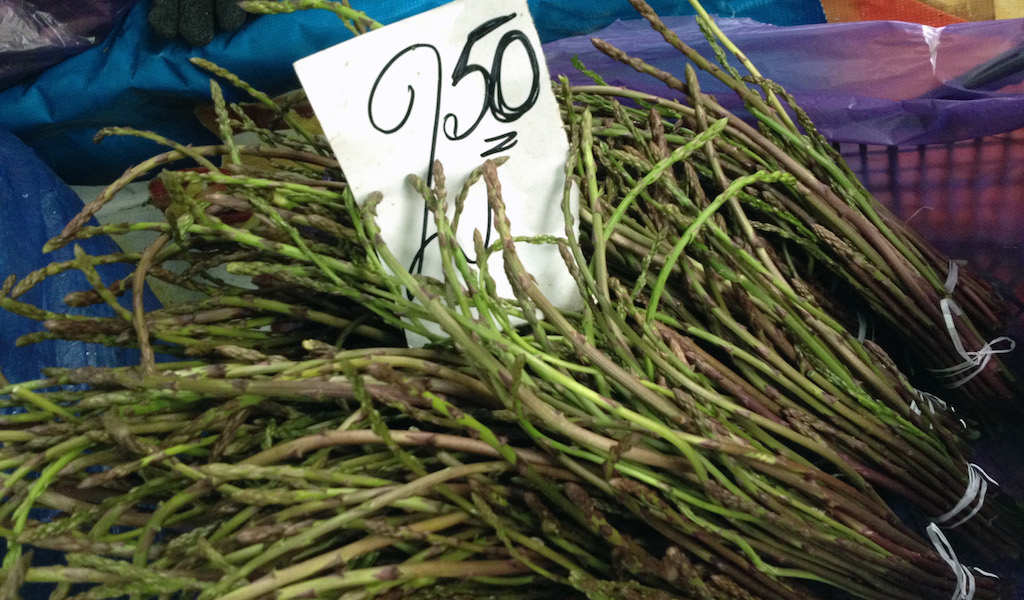
Out here in Garikula, our slice of heaven an hour west of Tbilisi, spring is peaking. It started with the plum blossoms and now the apple, pear and cherry blossoms are popping, painting the countryside in patches of white and pink. Walking along a village path with our neighbor Shota, he suddenly stops, bends down and reaches into a wad of weeds and pulls. “Ah-ha,” he says showing us a little bundle of wild asparagus, skinny, green and an appetizing revelation when cooked just right. Back in Tbilisi, this asparagus appeared in the central bazaar a couple weeks ago, along with other welcomed indications that springtime has finally arrived.

CB On the Road

In the tiny Italian town of Cuccaro Vetere, some 150 kilometers south of Naples, villagers are surrounded by nature and an incredible variety of local fruits. The town, which is in Campania’s province of Salerno, has just over 500 inhabitants, and – even more than their nature’s bounty – these residents are known for one thing: their long lifespans.

Lider Pide

Roaming the streets of Istanbul at 8:30 a.m. on a Sunday can be a surreal experience. The sun is shining, the seagulls are bellowing as they dip and dive – but the normally bustling streets are quiet. A few shops might be lifting their shutters, and cafés in younger neighborhoods may only just be putting on their first pot. Always a bit of a morning snoozer even on other days of the week, Istanbul is a lazy Sunday city like no other. At Lider Pide, however, Çetin and Cemil Zor are already slinging out fresh Trabzon-style pides to eager breakfast goers who’ve made the trek out to the Ümraniye district on Istanbul’s Asian side.

Spring (Food) Break 2013: Mexico City

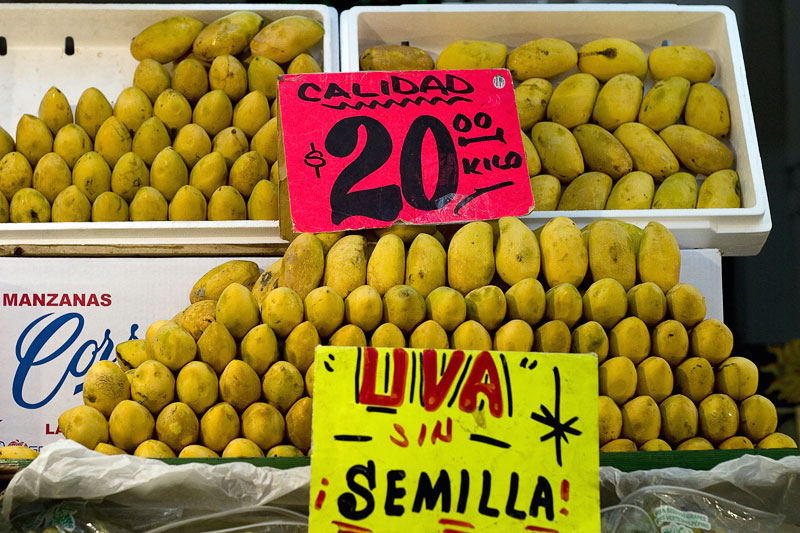
We know that spring has arrived in Mexico City when street carts crowned with whole mangoes begin to roll into town. While wandering the Centro Histórico’s bustling streets just last week, we bumped into Maria, a seasonal worker whose cart is currently laden with this favorite springtime fruit. Intrigued, we stopped to watch as she deftly skewered the mango in her hand with a stick, peeled off the skin, made decorative cuts to transform the bright orange flesh into a beautiful flower, which she then brushed with chamoy, a classic Mexican sauce, and dipped in one of the brightly colored powders stored in plastic boxes: salsa tajín, chamoy, salt, chile or everything mixed together.

Tasca Baldracca: Tasca Re-Boot

In your granddad’s Lisbon, lunch in a tasca may pass silently, the television, on mute, tuned to the mind-numbing variety show Praça da Alegria. It may take years to achieve a first name basis with the dour man behind the counter. On his menu, scribbled on a paper napkin and taped to the window, anything but cozido portuguesa on a Thursday would be tantamount to treason. Now don’t get us wrong, we have a deep appreciation for the code of that bastion of traditional Portuguese cooking that is the tasca – the knee-jerk resistance to change that has helped preserve neighborhood culinary traditions against a ferocious tide of globalized sameness – but, let’s admit it, fun is generally not on the menu.

Building Blocks

They grow off of walls and rocks, on rocky hills, near the sea – and even out of chinks in the sidewalk in the center of Athens. Tangy, floral and tart, capers are a wild crop like no other. The Acropolis Hill and most other ancient monuments in central Athens are covered with crawling caper plants throughout summer. On the islands, when driving those curvy, snake-like roads, look out for capers growing under the cliffs and hanging off the side of the road. (These plants often grow huge in size!) Growing untamed all over most of Greece, capers have been making their way onto local tables for centuries. The oldest recorded evidence of capers being used in food is in the Sumerian Epic of Gilgamesh, written c. 2150-1400 BCE.

logo

Terms of Service