S M B O measurement-vertical measurement-vertical

Latest Stories

The Water Banks of Naples: H2Oh! Featured Image

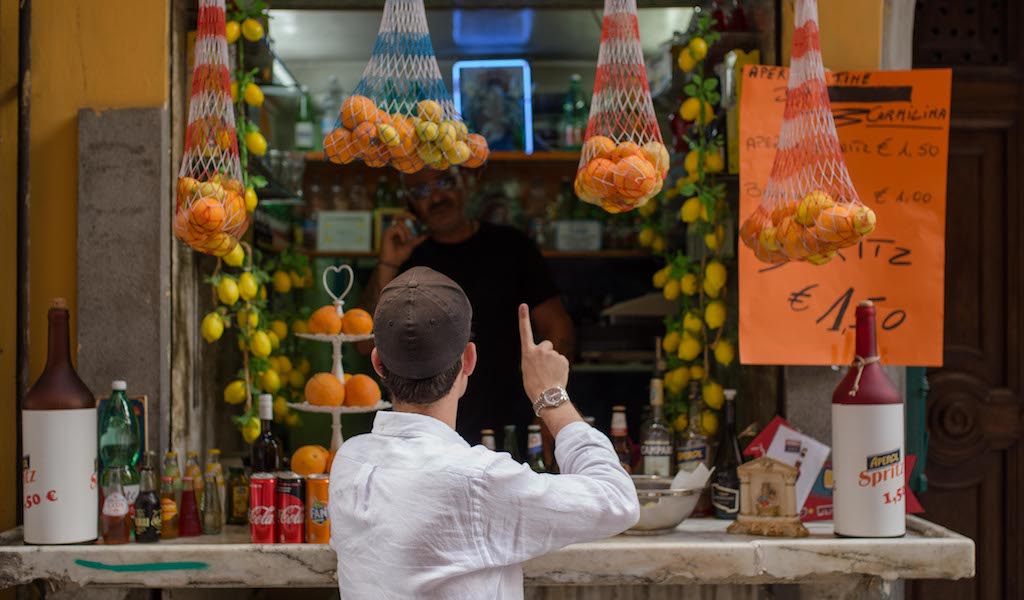
Naples has a lot of iconic eateries and shops, but one of the lesser-known city icons is the kiosk of the fresh-water-seller. Scattered throughout the city, the banks of the acquafrescai – some of which are very famous – sell various mineral waters and refreshments. These kiosks were born to provide relief in the summer months, and for that reason they are widespread in other southern Italian cities, particularly in the Sicilian cities of Palermo, Catania and Syracuse, where the coolness of a granita, a semi-frozen dessert made from sugar, water and various flavorings, counters the oppressive heat.

Liquid Assets: Borjomi Mineral Water, Georgia’s Iconic Elixir Featured Image

It was a scorcher of a summer day in 2002, and we were pushing our broken Russian motorcycle and sidecar through crowded Plekhanov streets with a gnarly case of cotton mouth. Dripping in sweat, we limped up to the kiosk by our building and slipped some coins to the lovely Irma for a lifesaving cold bottle of Borjomi mineral water. She reached into her little fridge and passed a bottle to our trembling hands. We twisted it open, took a deep three-gulp pull and grabbed our neck in a panic, alcoholic vapors steaming from every pore of our body. Gasping, we handed the bottle back to her. “This is not Borjomi,” we wheezed. She sniffed it and jumped back. “Oh sorry. That is my husband’s spiritus,” she explained, replacing it deep into the fridge with a real bottle after checking it first.

Aguas Casilda: Fresh Take

I first met Socorro Irinea Valera Flores years ago, when Oaxaca was not yet under the spotlight of the culinary industry. As part of a high school project in which I had to map Oaxaca’s most “heartwarming” spots for food and drinks, I visited the iconic Aguas Casilda, a nearly 100-year-old storefront that has been selling aguas frescas (fruit-flavored water) to at least three generations of Oaxacan families. The idea of fruit-flavored water might sound strange to foreigners, and unremarkable to most Mexicans (the beverages are common throughout the country, albeit with a more reduced variety). But in Oaxaca, aguas frescas – essentially a mix of fresh fruit pulp, plain water, and some sugar if needed – are synonymous with freshness and excitement, given the selection of different flavors made from the myriad of fruits that grow locally.

Alican Akdemir: Meet Turkey’s First Water Sommelier

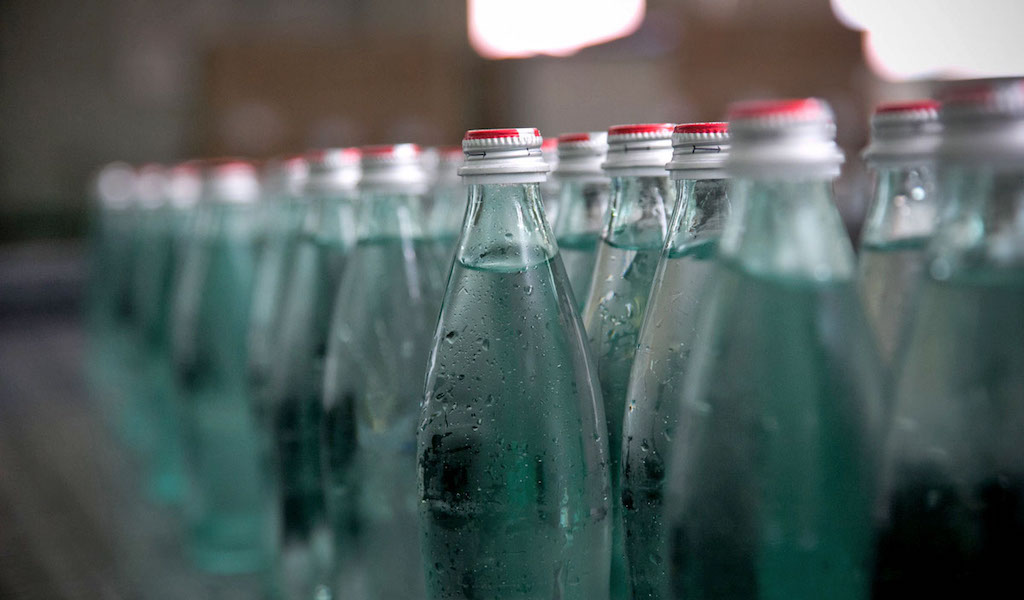
Alican Akdemir holds a glass up the light to confirm it is spotless before decanting half of a 200-milliliter green bottle of mineral water. Holding the glass against a napkin, he examines the color and notes the rate and amount of the carbonation, which he describes as “aggressive.” Having noted the visual appearance, he brings the glass to his nose, checking for any odors. “It shouldn’t smell of anything, just like it should be clear,” he says. Akdemir takes a sip, gently aspirating. “It’s slightly sour, salty, and high in carbonation,” he says.

Gldani: Shawarma City

Gldani was built on the northern outskirts of Tbilisi during the 1970s and 1980s as a satellite city of well-ordered concrete towers for the working masses. Newer and pricier (though still uninspired) real estate developments are now challenging the Soviet blocks, but Gldani still remains predominantly a working-class district. Located around the last stop of Tbilisi's main metro line, Akhmeteli Theatre, Gldani’s center “is packed with local businesses like exchange kiosks, shopping malls, street vendors, casinos or cafes,” writes Tbilisi architecture biennale founder Tinatin Gurgenidze, before adding: “And the famous Gldani Shaurma is also nearby.”

Sılaşara: Abkhazia in Istanbul

In every corner of Istanbul, enticing traces of Turkish cuisine from throughout the country, as well as the cooking of other neighboring regions, can be tucked away in the city's backstreets. These range from a Bulgarian kebab joint in Bağcılar on the western European side to a Bosnian meyhane in Pendik on the eastern stretches of the Anatolian side and a Georgian restaurant in the heart of Beyoğlu. We can add the suburban Marmara Seaside district of Maltepe to this formidable list, as it is home to Sılaşara, which is perhaps the only Abkhaz restaurant in the world outside of Abkhazia or Georgia. Officially considered a part of Georgia, the region of Abkhazia straddles Georgia's northwest Black Sea coast, and its small population is dwarfed by the number of people with Abkhaz roots who have called Turkey home for well over a century.

By Milocas: Corn-Fueled Cuisine

One of the joys of Lisbon’s food scene is the access it allows to cuisines from across the Lusophone world. And one of the most represented is the food of Cabo Verde (formerly known as Cape Verde), an archipelago of 10 islands off the western coast of Africa. Its ubiquity is due to immigrants from the islands, but also perhaps because it has so many links with the cuisine of Portugal. “Our ingredients [in Cabo Verde] are almost completely European,” explains Maria Andrade, better known as Milocas, the chef/owner behind By Milocas, a Cabo Verdean restaurant in Lisbon. “Our food has so much to do with Portugal. The way we prepare fish, octopus and seafood is similar to how they’re prepared in Portugal.”

La Azotea: Rooftop Relaxing Featured Image

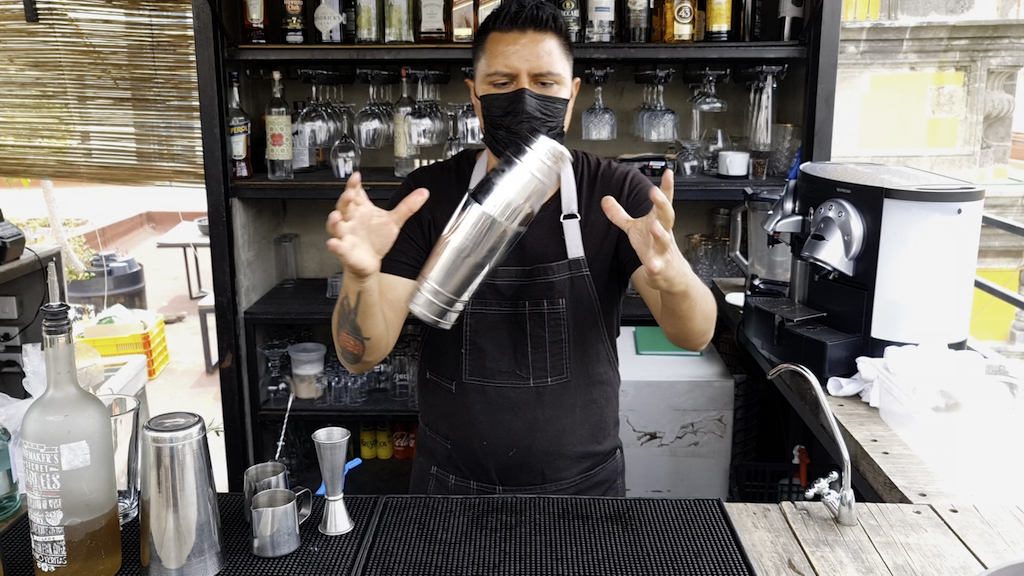
After a long, hot day of shopping (locals) or visiting museums (tourists) in Mexico City’s Centro Histórico, La Azotea rooftop restaurant may seem like a mirage at first. Located on the terrace of Barrio Alameda, a boutique mall and Mexican Art Déco building that was charmingly restored several years ago, La Azotea looks out over green trees, colonial bell towers, blue-tiled cupolas and the avant-garde buildings of Mexico City’s center and Alameda Central park. This oasis is for real, says its bartender, Ángel Salatiel Flores (32), who is quenching people’s thirst with more than just sparkling water. Dating back to the 1920s, the Barrio Alameda building was constructed by a German doctor and soon after became a professional services buildings for folks like lawyers and accountants.

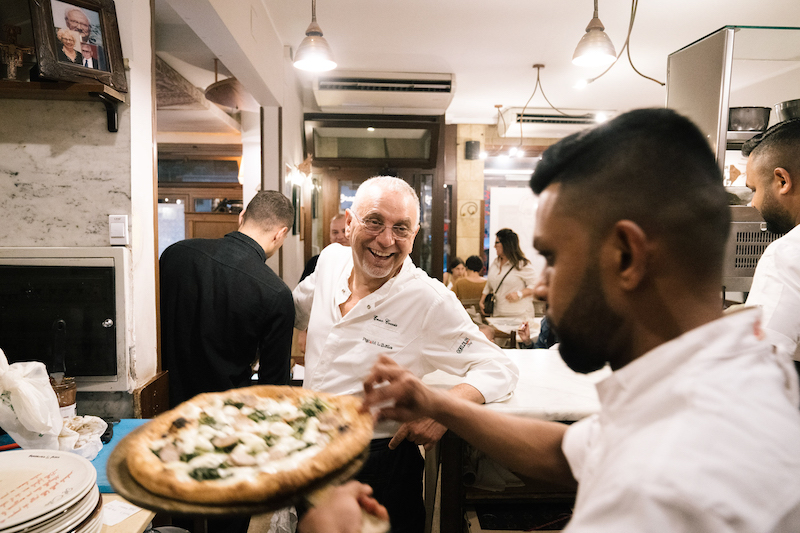
Enzo Coccia, owner, Pizzaria La Notizia 53, Naples, photo by Sara Smarrazzo and Gianni Cipriano

Editor’s note: Anya von Bremzen is the winner of three James Beard awards, a contributing writer at AFAR magazine and the author of six cookbooks. Her forthcoming book National Dish: Around the World in Search of Food, History, and the Meaning of Home, she explores the connections between place and identity in six food capitals around the world, including our beloved Naples. We asked her about her favorite places to visit every time she’s back in the city. Naples IS pizza. It’s where pizza was invented in the 18th century, meaning it’s where flatbread first met tomato and cheese and both met the domed Neapolitan oven.

Hama Ghanaian and Sicilian cuisine, Palermo, photo by Ségolène Bulot

Ghana and Sicily may not seem like a natural fit, but they come together perfectly at Hama, a Palermo restaurant that brings the two places’ cuisines together while also offering an edible lesson about Sicily’s centuries-old role as a meeting point between Europe and Africa. The name Palermo derives from the ancient Greek panormos and refers to any place where a boat can be docked easily. As a gateway to Europe, Sicily has been a cultural melting pot for many centuries. Today, this long history of cultural and social interactions is woven into the fabric of the city: as street names, as linguistic particularities, and culinary specialties. Migration from Asian and African countries is particularly evident in Sicilian life, especially here in Palermo.

Jamón Ibérico

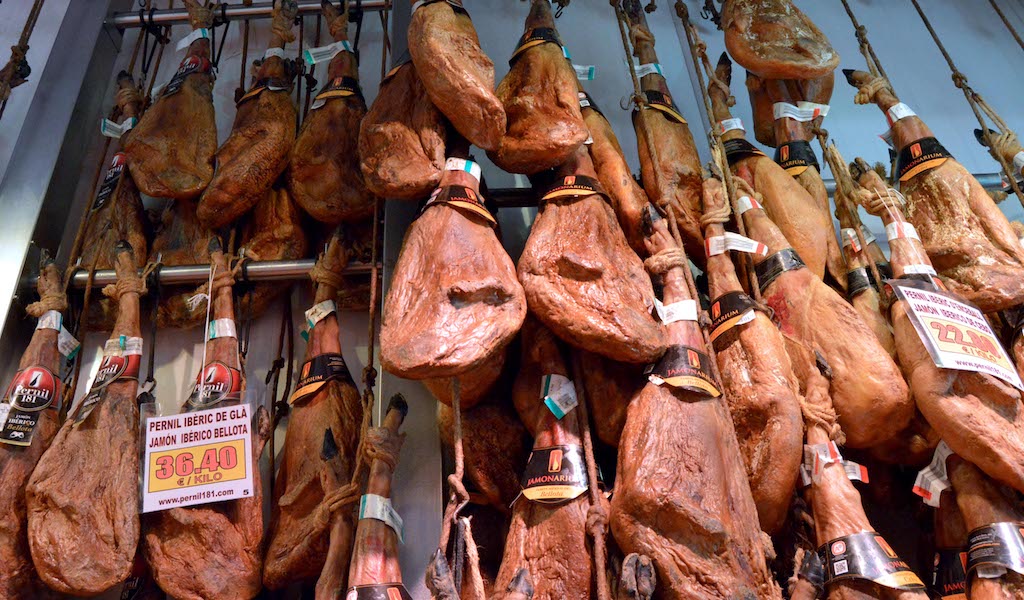
Ham is one of Spain’s best-known culinary treasures, and different types of the cured meat offer their own flavors and characteristics depending on the breed of pig, how the animal has been fed and raised and how its meat has been processed and cured. The wide selection of ham in Barcelona can be a bit intimidating, but it’s easy to decipher and make your selection with a little local know-how. The two major categories of Spanish jamón serrano ham are jamón del país and jamón ibérico. Serrano refers to the ancient technique – dating back to Roman times – of curing the ham in salt and then dry-aging it to extend preservation and increase the flavor and umami.

Kooriya Peace

It’s 9 o’clock in the morning and the narrow streets that fringe Inokashira Park are largely empty. This part of Kichijoji, a lively neighborhood in west Tokyo, has yet to wake up. Storefront shutters are yet to be lifted; staff inside cafés can be glimpsed preparing for the day. Yet, on one corner, a couple of girls duck into an enclosed alleyway and reappear five minutes later. Next, a solo lady strides inside, emerging after a minute or two. People drift in and out, marking an unusual pattern of activity. This is the entrance to Kooriya Peace, a renowned kakigori (shaved ice) store that’s so popular customers secure their dessert hours in advance – although for early birds it might become their breakfast.

Cured hams hang from the ceiling at Casa Louro, a bar/restaurant in Porto, photo by Austin Bush

When we arrived, there were one or two customers quietly drinking wine at the bar. Later, a man entered and bought cured ham by the kilo, complaining about how much fat it contained. A food tour stopped by, filling the silence with English-language explanation. A bit later, the mailman stuck his head in; he had no letters to deliver, but it was clear that he was angling for a drink. The clientele that late morning at Casa Louro, a bar and restaurant in Porto, seemed to be a microcosm of the city’s life. Indeed, with hams hanging from the ceiling, soccer paraphernalia on the walls, and crusty old customers, it looks like the quintessential Portuguese bar. And in many ways it is, but Casa Louro is also something of a dying breed.
Little Banchan Shop: Korean Mix-n-Match Featured Image

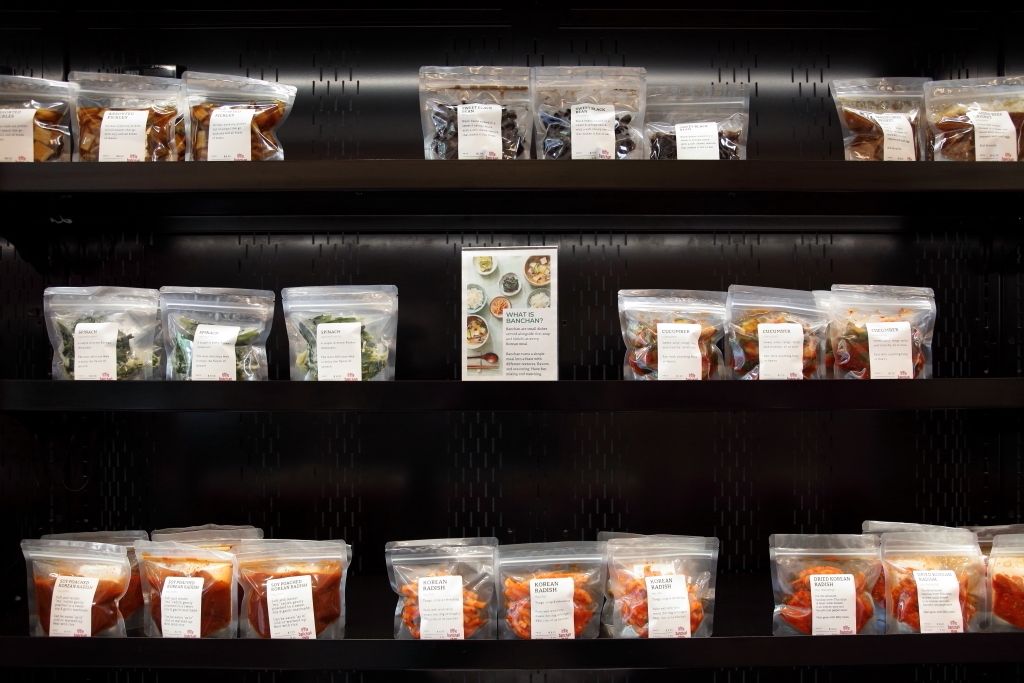
We'd always thought of banchan (bahn-chahn) simply as the numerous small dishes that arrive, unbidden, to surround the main courses at a Korean restaurant meal. But until we sat down with Hooni Kim and Catharine Chang at Little Banchan Shop, in Long Island City, we didn’t fully understand their central role in Korean cuisine – not only in public settings but also in the home. Hooni, a chef and restaurateur, opened Little Banchan Shop in August 2022. Catharine, who practiced corporate law in a past life, manages the front of the shop while Hooni presides in the kitchen. The main room is a simple oblong – bright, sparingly decorated, well-stocked yet uncluttered, with a "huge window into our kitchen," notes Hooni, so customers can see that the banchan is made in-house.

Blé d’Art: Spellbound by Music and Merguez

In the first book of his Marseille noir trilogy Total Chaos, Jean-Claude Izzo describes his hometown: “Marseille isn't a city for tourists. There's nothing to see. Its beauty can't be photographed. It can only be shared. It's a place where you have to take sides, be passionately for or against. Only then can you see what there is to see.” On a steep hill sandwiched between Cours Julien and Place Jean Jaurés, sits a tiny sandwich shop and a man who embodies Izzo’s quote in its entirety. A friend who shares a love of this city and its hidden treasures told us about this place, which she happened upon one evening. So together we climbed one of Marseille’s many collines to Blé d’Art, a small, but impossible-to-miss, brightly painted storefront.

logo

Terms of Service