S M B O measurement-vertical measurement-vertical

Latest Stories

Çiya Sofrası

Editor's note: In the latest installment of our recurring feature, First Stop, we asked chef Somer Sivrioglu of the Sydney restaurant Efendy where he stops first for food when he returns to his hometown of Istanbul. Sivrioglu is the author of the cookbook Anatolia: Adventures in Turkish Cooking (Murdoch Books, April 2016). Any list is controversial and biased by its nature, and lists do not get any more biased than mine, as I am a Kadıköy fanatic and impossible to convince that there are better versions of food on the European side of Istanbul. I was born and raised in Kadıköy, and we lived first at Caferağa, five minutes to Kadıköy market, then in Moda, Kalamış and Fenerbahçe.

Pizzaria do Chico

When they come into this shoebox of a pizzeria that still looks like the pé sujo (“dirty foot”) bar it previously was, clients often ask: But where’s Chico? That’s because they’re expecting Santa Teresa’s most beloved pizza chef to be a rotund and cherry-cheeked grandfatherly figure, perhaps in a red or green apron to make the point hit home. The toothy-grinning and somewhat lanky real Chico is instead someone who likes wearing running shoes to work so he can sprint out of his kitchen to greet the passersby on this cobblestone street for which he feels such affection he turned down a proposal to move to California. (More on that later. It involves Sylvester Stallone.)

CB on the Road

Crete, Greece’s largest island, is among the country’s most beautiful and interesting places to visit. Well known for its amazing beaches and unforgettable cuisine, the island also has a long history of wine making, dating back more than 4,000 years. The ancient Minoan civilization was one of the first to be deeply connected with wine. Viticulture and wine making are depicted on paintings in the Minoan palace of Knossos, while ancient wine presses have been found all over the island, with the world’s oldest in Vathypetro, just a few kilometers outside Heraklion, the capital. The Minoans were the world’s best-known merchants of the time, and amphorae carrying Cretan wine have been found in digs all over the Mediterranean basin.

Yedikule bostan, photo by Paul Osterlund

When you think about lettuce, if you think about it at all, it’s probably as the bland but virtuous base to a salad. But in days past in Turkey, this leafy green was just as often consumed as a snack in itself, as an essential part of a main dish or even as a sweet treat. “Marul [romaine] has been cooked as a vegetable since ancient Greek, Roman, and Byzantine times,” says food writer Aylın Öney Tan. “In many parts of Anatolia, it was a spring tradition to dip marul in pekmez (molasses) or honey, to eat it with something sweet that contrasted with the lettuce’s bitterness.” This wouldn’t really work with supermarket iceberg, of course – to fully enjoy lettuce’s culinary potential requires a fresh, high-quality crop.

Taberna da Rua das Flores

Lisbon’s tiny Taberna da Rua das Flores is almost always crowded, with barely enough room for staff to explain (and often translate) to hungry clients the dishes chalked up on its only blackboard menu. With around 10 marble-topped tables in a narrow, vintage-style eatery that takes no reservations, its small scale and increasing popularity makes for a challenging place to serve food – and yet, the staff are always smiling. The restaurant’s original, contemporary take on the forgotten tavern fare of the city, as well as its patient service and shared love of local ingredients, make it well worth the waiting time.

Bar do Momo

At Bar do Momo in Tijuca, there are many things to celebrate, but the two dishes starring jiló are particularly magnificent – and show how this little gastropub punches well above its weight. A green, meaty, slightly bitter cross between an eggplant and a pepper, jiló was brought to Brazil from West Africa during the slave trade. At Bar do Momo, the vegetable is served two ways: One is the jiló recheado, not unlike a chile relleno, stuffed with beef and mozzarella cheese that melts into a savory broth. The other is the only Brazilian guacamole worth your time: made from tangy pickled jiló, red onion, tomato, lime, cilantro, and Brazilian dedo de moça pepper.

Yi Zhang Hong

Healthy eating and Chinese food are often hard to combine, but Karen Chen has discovered the recipe. After the success of Jianguo 328 (a homestyle Shanghainese restaurant that forgoes MSG and uses filtered water to boil its excellent noodles), the Taiwanese restaurateur decided to look west – where spice is king – for her next venture: Yi Zhang Hong. The friendly Sichuan restaurant is cobbled together with a narrow staircase leading up to cheerful dining rooms over three floors. On each level, bright folk art hangs on white walls above long banquettes and blond wood tables, and the red-tiled bar on the first floor is decorated with bottles of imported wine and beer and canisters of local tea.

Can Ocakbaşı

Istanbul’s Aksaray district is a difficult place to get to know. It's probably the most diverse district in all of Turkey and with a very high turnover rate. Those Georgian ladies you saw dragging an overstuffed plaid duffel down Buyuk Langa Caddesi yesterday? They might be halfway to Batumi by now. The Syrian family by the bus stop? They may be on their way to meet a man in Izmir about a boat. Who knows? Aksaray’s unknowableness makes some locals uneasy; there's got to be mischief in all that motion, with all of those foreigners. Such is the stigma of Aksaray, den of thieves.

Tbilisi Sketches

It’s a mid-week spring day in Tbilisi and we have joined Dali Berdzenishvili and her family for a special picnic lunch. There’s a zesty looking spread covering most of a yellow and blue tablecloth: heaps of khachapuri (cheese bread), blinchiki (meat rolls), sliced meats and sulguni cheese, salads, a trademark Georgian dish of pickled greens known as jonjoli, a bowl of strawberries and a few slices of leftover Easter paska cake. For drinks, there are several bottles of semi-sweet red and a bottle of homemade grape juice. Dali says her late husband, Zviad, loved a picnic like this. And it is Zviad who brings them all here – because they are eating next to his grave.

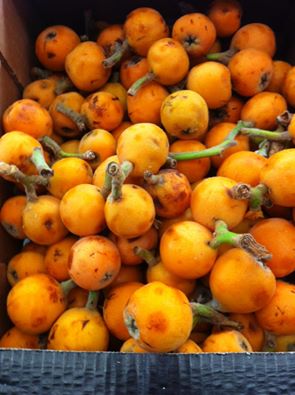
Newly In-Season Loquats at Lisbon's Mercado da Ribeira

Loquats (nêsperas in Portuguese) are now in season - all over Mercado da Ribeira, the historic market encountered on our Lisbon Awakens tour. We're still waiting for the cherries!

Queens

Rego Park and Forest Hills are home to much of Queens’ Central Asian Jewish diaspora. The neighborhoods comprise two main thoroughfares, 63rd Avenue (which changes to 63rd Street) and 108th Street. Both roads have a range of markets, restaurants and bakeries catering to local tastes. Here are a few notable addresses. Queens Gourmet Bazaar Food Brothers Yusuf and Juda Saz run this long, narrow market that is filled with Persian staples. Mini barrels of nuts, seeds, dried fruits, several Samarkand raisin varieties as well as fruit molasses, barberries, and other provisions in cans and glass jars cover the floor and walls. The brothers make some of the ready-made food in-house.

Charutaria Syria

Before thousands of Syrian and Lebanese immigrants arrived in Rio at the beginning of the 20th century, colonists organized the old city according to geography, chance and Spanish and Portuguese planning conventions. This meant stores in the same category – ironware, shoes, musical instruments – were grouped together, sometimes even allotted their own street. If you needed wholesale fabric, you headed to a different road than if you needed a new kitchen pot. When hard fortunes amidst the breakup of the Ottoman Empire brought residents of the regions surrounding Syria and Lebanon to Rio, many put down roots in an area then called “Little Turkey” on Alfândega Street, near the port

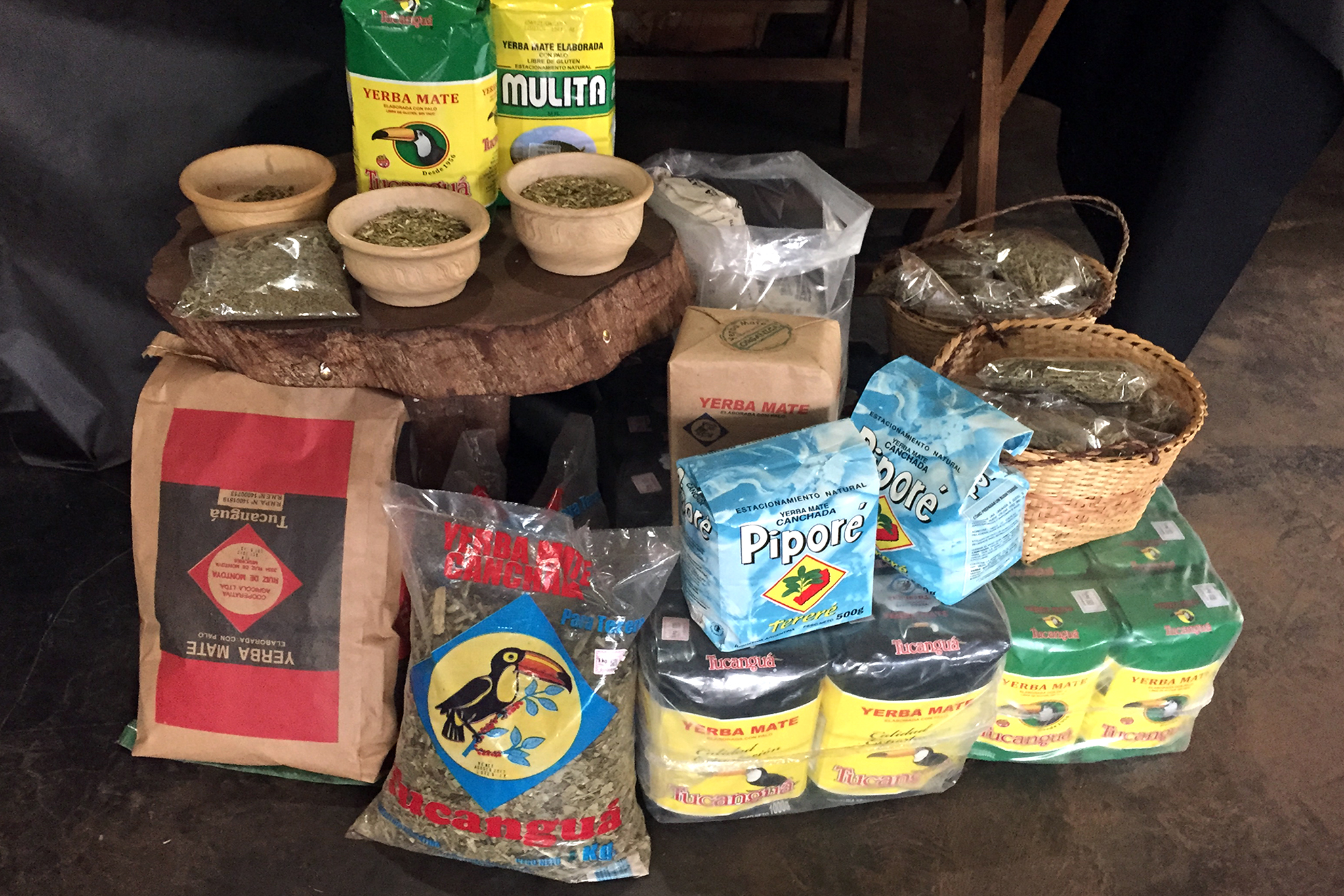
CB on the Road: On the Yerba Mate Trail Featured Image

To call the drinking of yerba mate a fixation in parts of South America would be an understatement. Yerba mate (MAH-tey) in Argentina and Uruguay is consumed regularly by an estimated 98 percent of the population, and, like tea in other countries, has social and cultural significance and rituals associated with friendship, business relationships, leisure, hospitality, etiquette and national identity. As a social ritual, mate brewing requires a bit more than just yerba, the vessel (calabaza), straw (bombilla) and hot water (80 degrees C – 175 degrees F – is the usual temperature, but around 50 degrees C or 120 degrees F is preferred); if you are in a group setting, you’ll also need to know a bit of its language of respect and solidarity.

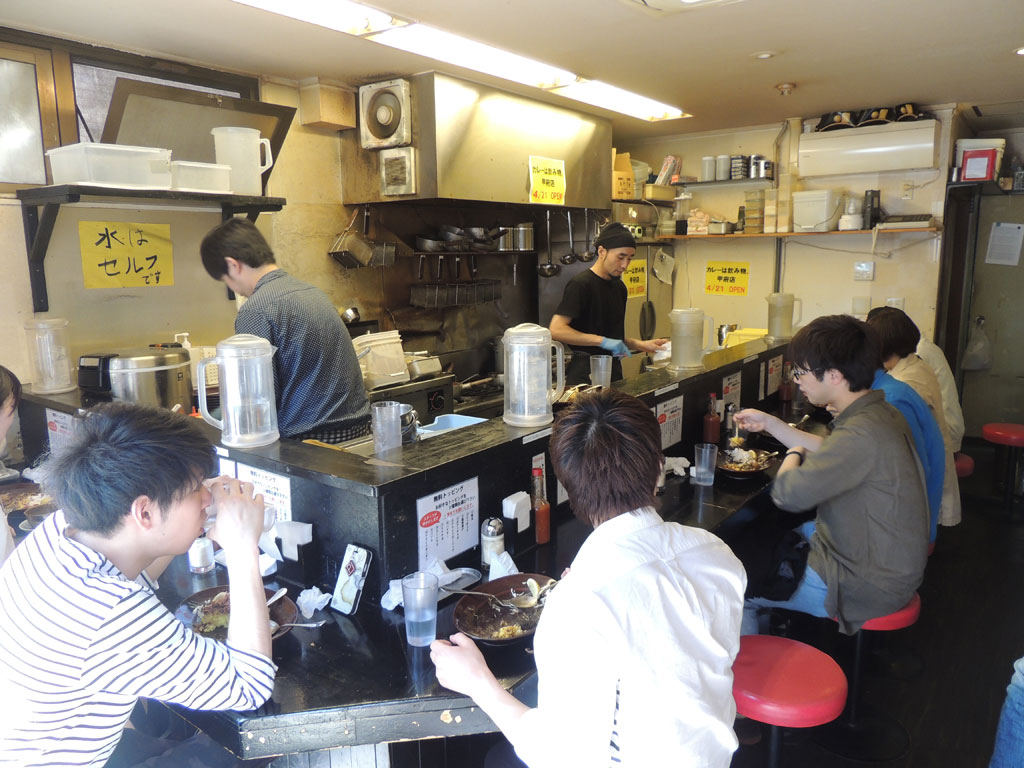
Karē wa Nomimono: Japanese Curry Roulette Featured Image

There’s a general rule of thumb in Tokyo that if you see a line in front of a restaurant, it’s probably worth standing in. Maybe that’s how we first discovered Karē wa Nomimono. Or maybe it was the heady scent of fresh curry that wafts out the kitchen door before the restaurant opens every day. As many times as we’ve been back, it’s hard to remember. Touted as a national dish since at least the mid-20th century, curry rice is for many Japanese the quintessential comfort food. While some shops pride themselves on making curry just like mom used to, others are taking the classic dish in bold new directions.

Baby Fish

In landlocked Mexico City – the nearest coast is 250 miles away – you might think that it would be difficult to find fresh seafood. However, ever since Aztec times, the ocean’s bounty has been brought to the valley daily. Back then, the Aztec emperors got their goods using a system of relay runners that covered those hundreds of miles from sea to city per day. Things require less footwork today: technology and Mexico’s highway system allow daily deliveries of fresh seafood to the capital from the Pacific and Gulf of Mexico coasts. That said, feeding the Mexican capital’s fish craving still requires some hustle.

logo

Terms of Service