S M B O measurement-vertical measurement-vertical

Latest Stories

Ballarak

On warm afternoons, the Piazza Magione lawn fills up with young people, groups of friends with guitars, and people of all ages enjoying the outdoors while sipping excellent craft beer – the first brewed in Palermo. This scene is possible thanks to Ballarak, a craft brewery in the heart of Piazza Magione that has managed to transform itself into a true landmark for beer lovers. Its story began in 2013, during a homebrewers' competition in Messina, where four beer enthusiasts met and formed a bond based on their common passion.

Scenes from Our New Bangkok Tour

One of the most ubiquitous foreign cuisines in the US and abroad, the scope of Thai food served outside the country is largely limited to dishes from Bangkok and central Thailand. But many diners consider these dishes wholly Thai without being aware of the various influences that created them. In fact, “Thai food” is a misnomer; the country’s food takes the form of regional cuisines from north to south. On our culinary walk of Bangkok, we explore Ko Ratanakosin, the artificial island that’s the birthplace of Thailand.

Cheonghakdong Buchimgae

Some foods are just made for certain weather: hot chocolate or creamy stew feel like a warm blanket on a cold winter day, while cold watermelon and shaved ice are perfect under the summer sun. Just as the sight of a campfire calls to mind well-roasted marshmallows, changing seasons and gentle breeze evoke cravings for familiar comforts. For Koreans, only one dish will do on a cloudy, damp rainy day: crispy, savory jeon. Jeon, a traditional Korean dish, is a type of fritter made by coating ingredients like fish, meat, and vegetables in flour and egg before frying them, or by finely chopping the ingredients, mixing them into a batter, and frying them. Popular varieties include kimchi-jeon and pa-jeon (green onion jeon), but nearly anything – mushrooms, shrimp, beef liver, or stuffed green peppers – can be transformed into jeon.

Morning, Noon, Night

Editor’s Note: Award-winning author and journalist La Carmina writes about travel, culture and food (especially in Japan) for Travel + Leisure, The New York Times, National Geographic, CNN, Time Magazine, Eater, Fodor's, Observer, Business Insider, Sunday Times, AFAR, and others. She runs the leading Japan alt culture/travel/fashion La Carmina Blog and won "Best Blog of the Year" from Auxiliary Magazine. We asked her to share her perfect day of eating in Osaka and the spots she’d hit for bites and drinks from 10 a.m. to 10 p.m.

The Essentials

Finding the best restaurants in Istanbul can be a daunting task – every block feels like it’s littered with kebab shops, bakeries, and diners with attractive steam table displays. But a fair warning to you, dear reader: The döner is most-often dry and poor quality, the baked goods are mass-produced and lackluster, and those steam tables are full of reworked leftovers hidden in bechamel or tomato sauce. The fact that these restaurants are more-often-than-not full might seem at odds with the Turkish standard for quality, which is extremely high. But, well, there’s a sucker born every minute, and those steam tables seem to have a particularly strong gravitational pull on the average Istanbul tourist. Like anywhere else in the world, locals have their go-to spots. But in Istanbul, these are more than neighborhood haunts with cheap drinks and friendly service.

Introducing Seoul

Culinary Backstreets co-founder Ansel Mullins visited Seoul this past summer as part of a research trip for our newest food tours. What he encountered was a literal feast for the senses, from the tang of pickled banchan to the smoky barbecue grills to the crunch of raw crab, Here, Ansel shares some of his favorite food memories and a bit of what we can expect from our new coverage in Seoul. What makes Seoul an exciting and compelling destination for Culinary Backstreets? The sheer variety of dining opportunities in Seoul make it a paradise for curious eaters. Consider Michelin-starred speakeasy-type ten-seaters to rowdy tent bars serving fried eels, market stalls serving world-famous savory pancakes to the latest fad in donuts, throw in barbecue, dumpling joints, an abundance of fresh oysters, and knock-your-socks-off fried chicken and you’re barely scratching the surface of this venerable chow town.

Chawadee Nulkhair’s Seven Favorite Bangkok Food Stalls

The food scene in Bangkok is constantly in flux, making it one of the most challenging cities in the world for a restaurateur to navigate. But it’s heaven for food lovers. And one of the things that is a constant when it comes to the Bangkok dining scene is its street food. In spite of government attempts to curtail vendor activity, a plethora of roadside offerings can still be found – provided you know where to go. Sidewalk stalls hawking noodles, fried chicken, and Thai-Muslim chicken biryani throng certain sections of Silom Road, while famous shophouse vendors that have been selling braised pork trotter on rice and duck noodles for generations can be found on quiet side streets like Soi St Louis, in the shadow of the central business district.

Fogones Mx: 32 States, 32 Chefs Featured Image

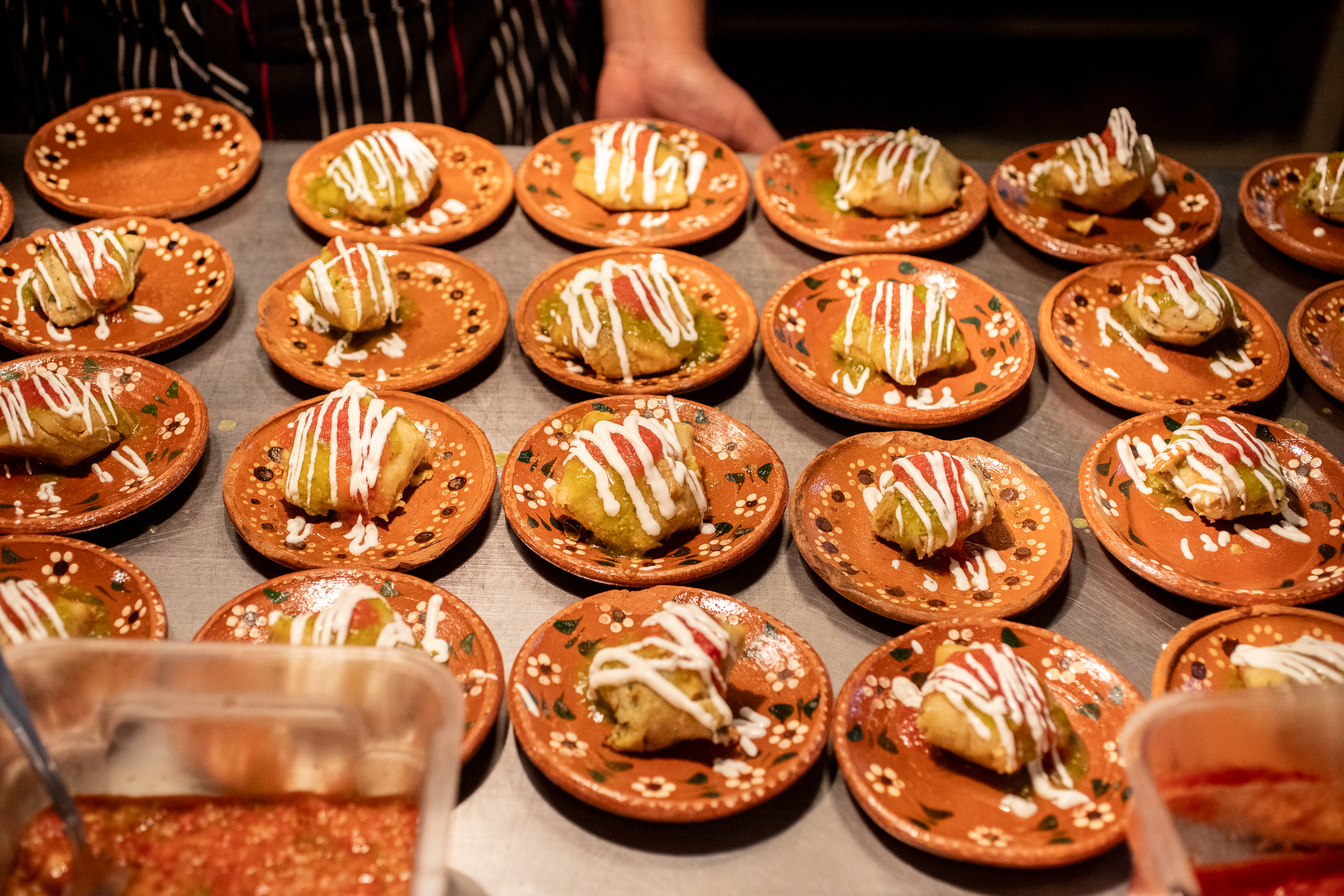
It’s not every day that a meal is as delicious as it is revelatory. Yet Fogones Mx, located in Mexico City’s Roma Norte, manages to serve this kind of experience every weekend. Sprung from the Centro Nacional de Investigación y Difusión de la Cocina Tradicional Mexicana (CENAIN) project (the National Center for the Research and Dissemination of Traditional Mexican Cuisine), Fogones is the result of a partnership between Sulema Vega and Luis Alberto Llanos, whose passion for traditional Mexican cooking inspired them to travel across the country’s 32 states in search for those flavors, recipes, techniques, and traditions that make up the foundations of Mexico’s rich and complex culinary landscape. "The original idea for CENAIN was born in Cabo San Lucas as a festival with 32 traditional cooks,” says Sulema. After a few bumps in the road, Luis Alberto, who remained at the head of the project, decided to embark on an epic trip across the country, and Sulema joined as a partner along the way.

Umami Town: Feasting, Osaka Style

Culinary Backstreets co-founder Ansel Mullins visited Osaka this past summer as part of a research trip for our newest food tours. Japan’s second-largest city is well known for its vibrant food scene, and delivers a powerful punch of personality, too. Here, Ansel shares some of his favorite food memories – from takoyaki to really excellent corn – and a bit of what we can expect from our new coverage in Osaka. In a fairly formal and reserved country, Osaka feels funky and laidback. That is reflected in the endless options for a quick delicious bite, but it’s the people, Osakans, who set the stage, and they are boisterous welcoming hosts. Belly up to a standing bar or settle into a tiny izakaya and you can expect to be engaged. For me, that always elevates the culinary experience to a higher level.

Ferro di Cavallo

Tall flames and hot oil, stacked plates and searing pans, shouting and laughter: the kitchen of this trattoria may look chaotic, but it is a perfectly organized and harmonious chaos that well represents Palermo's vibrancy – the same energy that can be found in one of the old town markets or in city traffic. The same liveliness extends to the dining room, where a jovial and festive atmosphere is established among customers, waiters, and the restaurant’s owners. Waiters sweep in and out each time the cooks ring the bell, bringing traditional Palermo dishes to the tables.

Scenes from Our New Osaka Tour

On our culinary walk of Osaka, we taste our way through the historic merchant district of Kitahama to Kuromon Market to the lively entertainment area of Dotonbori. We stop at kombu (kelp) shops, miso producers, fishmongers, and street food stalls to dive into the flavors that define Osaka cuisine, with a particular focus on the savory fifth taste: umami. While Osaka is known as the "Kitchen of Japan," many outside the country are unaware of the colored history and diverse influences that have shaped its unique gastronomy. World War II destroyed much of Osaka, and the society changed significantly as well – but the spirit of the city remains intact in its markets, standing bars, and small independent restaurants.

Axotis: The D.I.Y. Taverna

After World War II, many Greek islanders left their homes and moved to Athens for work and a brighter future. Such was the case with Nikos and Irene Vasilas, who came to Athens from the island of Naxos during their late teenage years; Irene came from Apiranthos village and Nikos from Danakos, both mountain villages. Despite the fact they both came from the same island, the two of them met and got married in Athens, where Irene worked as a housekeeper and Nikos as a builder – or to be more precise, a “digger,” as they used to call those who specialized in digging into the hills for construction. In those post-war years, the neighborhood the couple lived in – which would eventually be named Polygono – was situated on the city’s hilly outskirts. It’s where Nikos built their home, which still stands right here.

Yen ta fo noodles at Yen Ta Fo JC, Bangkok, photo by Austin Bush

The vast majority of the food in Bangkok is, without a doubt, Thai. But peek under the hood and you’ll find ingredients, cooking techniques, and dishes that can be traced back to places far beyond Thailand. Influences brought by Chinese immigrants – namely Hokkien, Hakka, and Teochew people – have done the most to shape food in Bangkok. Immigration from the Muslim world has also had a massive impact on the city’s cuisine. And even contact with Europeans has come to shape Thai food. The result of all this is the fascinating, delicious jumble of ingredients, cooking techniques, dishes, and influences that today we recognize as Thai food.

First Stop

I know it sounds like a cliché – New Orleans and gumbo – but no other dish so genuinely represents the food culture and the food love of this city. It’s a dish you’ll find on countless menus, from the most upscale to backstreet joints. You will also find it in most New Orleans homes. It’s the dish we make at Thanksgiving and at Christmas. It’s the dish we make when it gets cold and we need comfort food and the dish we make when we have company over and we want to give them a taste of New Orleans. So eating gumbo, a really good gumbo, at a restaurant is a very true New Orleans experience. As a visitor, you are doing exactly what locals do.

Caffè Delizia: Bacoli Blends Featured Image

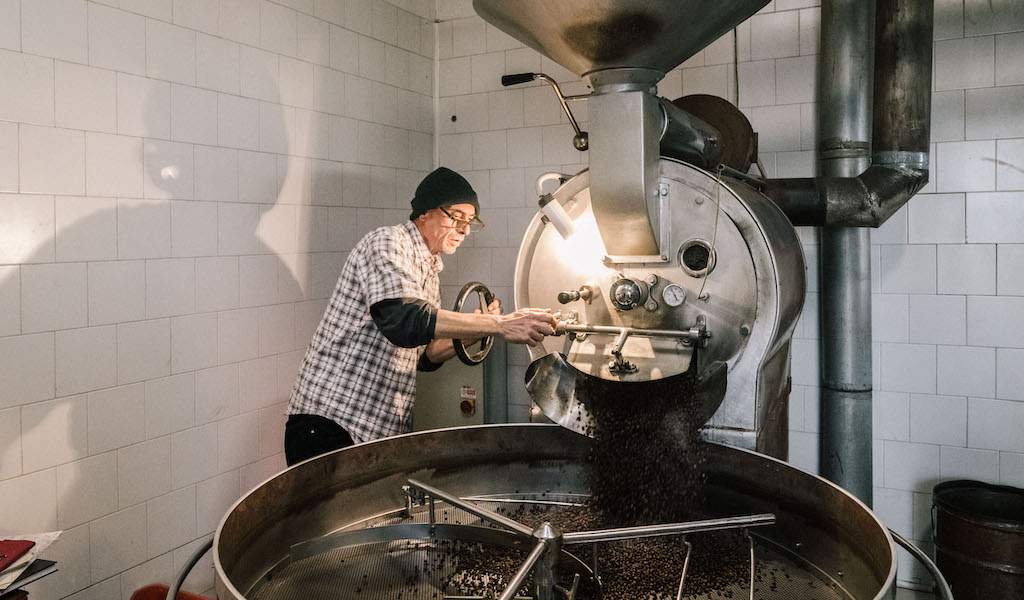
The last wood-fired coffee roaster in all of southern Italy is located, appropriately, in Bacoli. This area of Campi Flegrei, the Phlegraean fields of Naples (from the Greek word flègo, which means “burn”) is a part of the Gulf of Pozzuoli known since Roman times for its active volcanoes. It is here that Nicola Scamardella is carrying on his family’s tradition of roasting coffee with a wood-burning machine. Nicola is known in Bacoli as the son of Pasquale Scamardella, a man whose nickname was Pasquale della Torrefazione (“of the roastery”). In the 1960s, Pasquale and his wife Delia were working for a commercial coffee roaster in Naples.

logo

Terms of Service