S M B O measurement-vertical measurement-vertical

Latest Stories

Ask CB: Kid-Friendly Dining in Barcelona?

Dear Culinary Backstreets, We will be visiting Barcelona with our children. Do you have any good recommendations of places in the city to eat with kids?

Perazin

Update: This spot is sadly no longer open. In an opinion piece published recently in the Latitude blog of The New York Times, veteran Turkey correspondent Andrew Finkel’s brutally honest appraisal of the state of “New Turkish Cuisine” called much of Istanbul’s restaurant establishment – down to the customers – into question. We’ve had similar misgivings after meals in some upscale nouveau meyhanes where fussy food and too much attention to interior design end up spoiling an atmosphere that is supposed to be fun.

Saladin

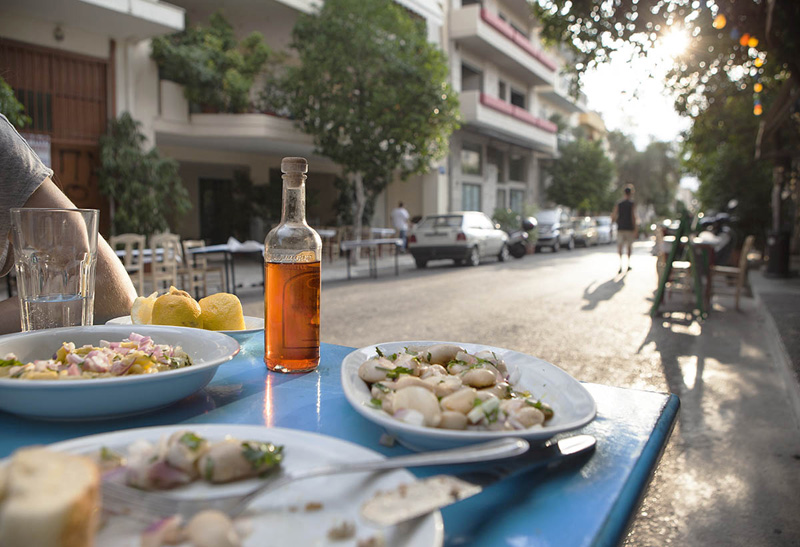
Editor’s note: We’re sorry to report that Saladin has closed. The mezedopoleio – a type of venue where mezes are passed around for all to eat – is traditionally associated with students more interested in getting drunk on cheap alcohol than savoring a nice meal. But tough times require hard drinking, which means that mezedopoleia have recently made a massive comeback in Athenian life. In the historic Keramikos area, Saladin is a venue that does double duty, fulfilling the traditional function of the mezedopoleio while taking the food component up several notches.

El Jabalí de Ronda

Editor’s note: We regret to report that El Jabalí de Ronda has closed. Barcelona’s Avinguda del Paral·lel was, for the first half of the 20th century, a bustling boulevard of theaters, cabarets, circus shows and risqué nightlife. Nowadays, most of the grand buildings and the glamour of the thoroughfare have been erased by the rapid changes that have taken place in Barcelona, with just a few theaters and old bars from the glory days still open. Thankfully, one of the holdouts is the quirky El Jabalí de Ronda, a combination delicatessen, butcher shop and tapas bar, which still welcomes customers with its signature legs of acorn-fed Iberian ham and its cozy terrace and vases of freshly cut flowers.

Heyamola Ada Lokantası

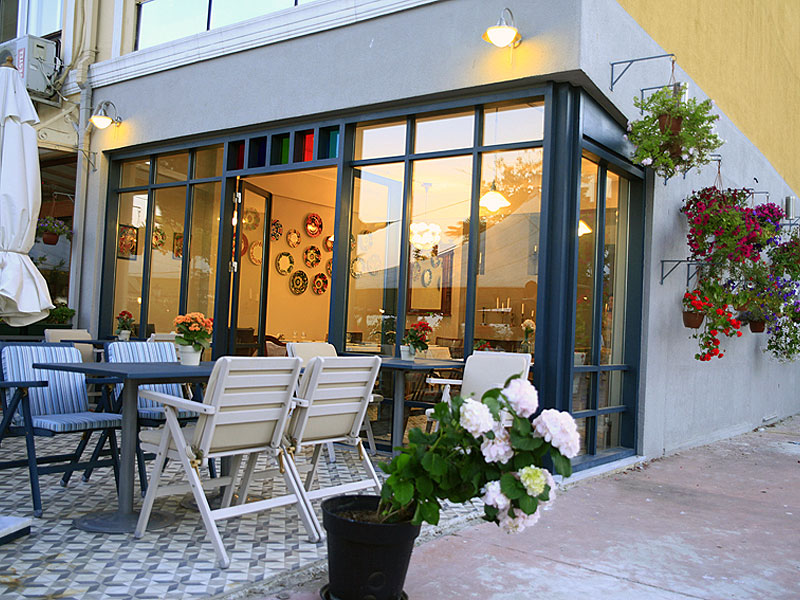
While the Princes’ Islands make for a great escape from the city, it used to be hard to think of them as a culinary destination. That is, until Heyamola Ada Lokantası opened. The restaurant is a perfect storm of inspired food, chill ambiance and small-label Turkish wines, all at ridiculously low prices.

Therapeftirio

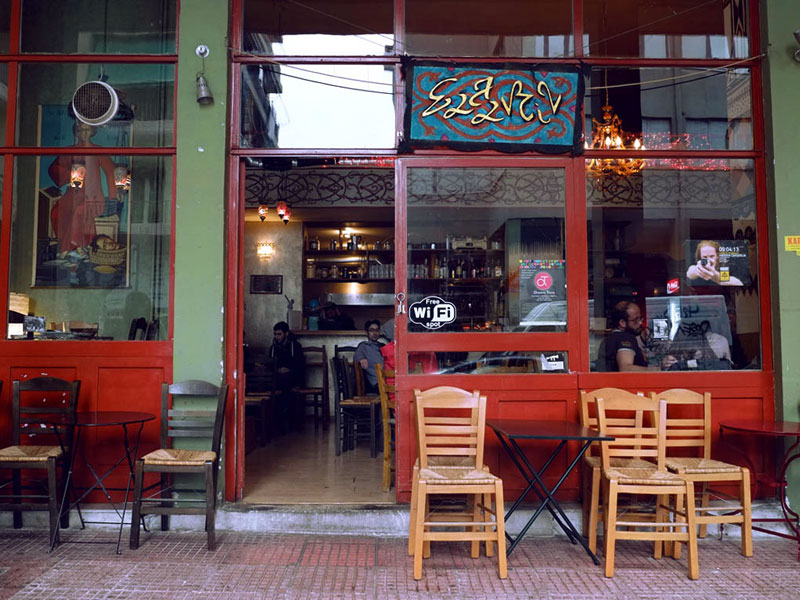
The literal translation for Therapeftiriο is “sanatorium,” which in this case refers not to what this restaurant might have once been but rather to the ancient Greek belief that having a good time by eating good food and drinking good wine can cure your troubles. It’s an old-fashioned name in an old-fashioned neighborhood that is fast becoming a hipster area.

Cruz del Milagro

Editor's Note: Sadly, this spot is now closed. Sometimes bureaucracy can be a blessing in disguise. Cruz del Milagro, an informal restaurant in the popular nightlife area of Zona Rosa, was originally intended to be a simple mezcalería, a place where owners Dora Jiménez and daughter Diana Herrera, the third and fourth generation in a line of mezcal producers, could share the family brand, El Rey Zapoteco Mezcal, with the growing base of mezcal aficionados in Mexico City. They were informed, however, that because of a city law, they would either have to also serve food or open a traditional full bar. Fortunately, they chose the first option and decided to focus on the specialties of their home state of Oaxaca, resulting in a menu that’s far from being an afterthought.

Ask CB: Eating Early in Barcelona?

Dear Culinary Backstreets, I hear that Spaniards take their dinner very late. Are there any good restaurants in Barcelona that start serving dinner before 9 p.m.? Indeed, Spaniards are notorious for eating late. Even when dining at home, the typical Spanish family doesn’t eat their dinner until around 9 or 10 p.m. – or sometimes even later! The main reason for this is that for most people in Spain, lunch – which usually consists of at least two courses and is eaten at some point between 1:30 and 4 p.m. – is the most substantial meal of the day. It makes sense, then, that nobody has much of an appetite again until late in the evening.

Siirt Şeref Büryan Kebap Salonu

Kadınlar Pazarı – a pleasant, pedestrian-only square in Istanbul’s Fatih neighborhood – is the closest thing the city has to a “Little Kurdistan.” The area is populated by migrants from Turkey’s predominantly Kurdish southeast region, and small market stalls and butcher shops selling honey, cheeses, spices and other goodies from the region surround the square. Visiting the atmospheric area is a great way to get a taste of Southeast Turkey without having to leave Istanbul.

Spring (Food) Break 2013: Istanbul

Editor’s note: This is the fourth installment of “Spring (Food) Break 2013,” featuring our favorite foods of the spring season in each city Culinary Backstreets covers. This year’s Nevruz celebration, an ancient welcoming of spring, may be remembered for its political significance in which a peace deal was struck between Turkish leaders and Kurdish rebels. But once the shoulder-shrugging, line-dancing, fire-jumping and ululating are over, the real bounty of the season will continue to be celebrated all over Turkey and in many Istanbul restaurants, from the chic to the shabby.

Spring (Food) Break 2013: Shanghai

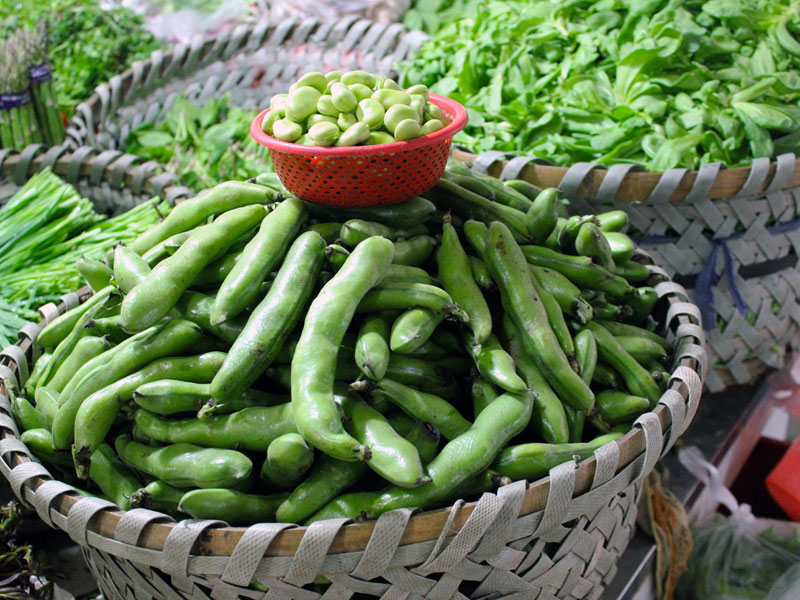
Editor’s note: This is the third installment of“Spring (Food) Break 2013,” a look at our favorite springtime foods in the cities Culinary Backstreets covers. In Shanghai, wet markets hold the telltale signs that spring is finally upon us. Stalks of asparagus as thick as a thumb spring up first, alongside brown and white bamboo shoots so freshly pulled from the earth that dirt still clings to their fibrous shells. But the most exciting spring green is fava beans (蚕豆, cándòu), also known as broad beans. Their short season in Shanghai – usually just about four to five weeks – means they’re in high demand, and stalls are filled with workers shelling the labor-intensive beans by the bushel.

Spring (Food) Break 2013: Mexico City

Editor’s note: This is the second installment of “Spring (Food) Break 2013,” our weeklong celebration of spring’s culinary bounty. This guest post is by Lesley Téllez, a freelance writer and the author of the blog The Mija Chronicles, who recently moved to New York after four years in Mexico City.

Spring (Food) Break 2013: Athens

Editor’s note: Here at Culinary Backstreets, we eagerly await the coming of spring each year, not just for the nicer weather but also because some of our favorite foods and dishes are at their best – or indeed, are only available – for a short period during this season. This post from Athens is the first installment of “Spring (Food) Break 2013,” a weeklong celebration of our favorite springtime eats. Stay tuned for dispatches from all of the Culinary Backstreets cities. Athens is probably at its prettiest in springtime, especially in April and May.

In Mexico, a Cuisine Born from Corn

Humanity came from corn, or so says the Mayan creation story, the Popol Vuh. After creating the earth and animals, the story goes, the Maker decided to create beings in his likeness. After failing twice with dirt and wood, the Maker formed man and woman out of the “nourishing life” of ground corn. And so began Mexico’s deep relationship with one of the most widely used crops in human history, one that seems to be present in almost every aspect of Mexican cooking.

Restaurant Roma

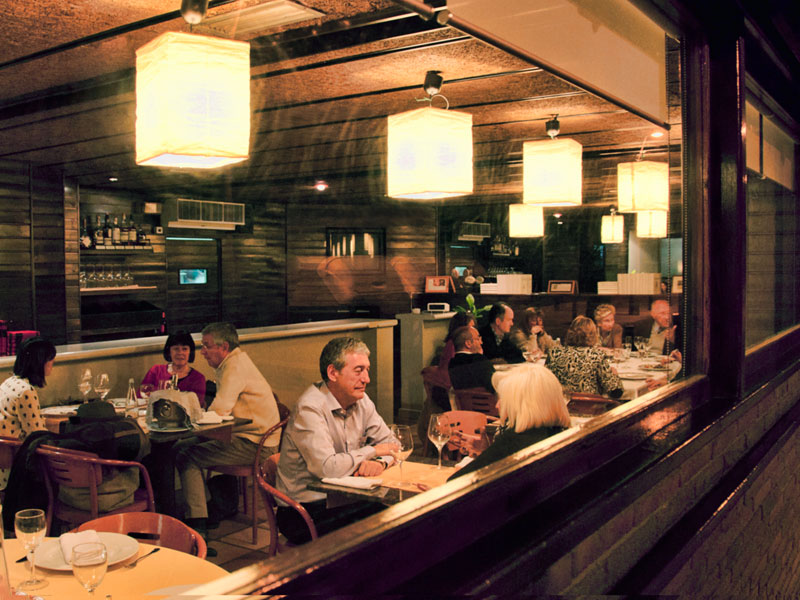
At first glance, Restaurant Roma doesn’t appear to be anything out of the ordinary. The nondescript brown tiles covering the floors, the dark wood bar, the vaguely Mediterranean-inspired wall décor and the rectangular paper Ikea lamps are similar to those at hundreds of other midrange restaurants throughout Barcelona. Situated on a quiet street in residential Sant Gervasi, Roma isn’t somewhere you’d be likely to come across accidentally, nor is it the kind of place you’d happen to hear about, unless you (or your aunt, or coworker or a friend of a friend) lived nearby. And that would be a shame because the food at Roma is good – ridiculously delicious, in fact.

logo

Terms of Service