S M B O measurement-vertical measurement-vertical

Latest Stories

Farooj al Zaeem

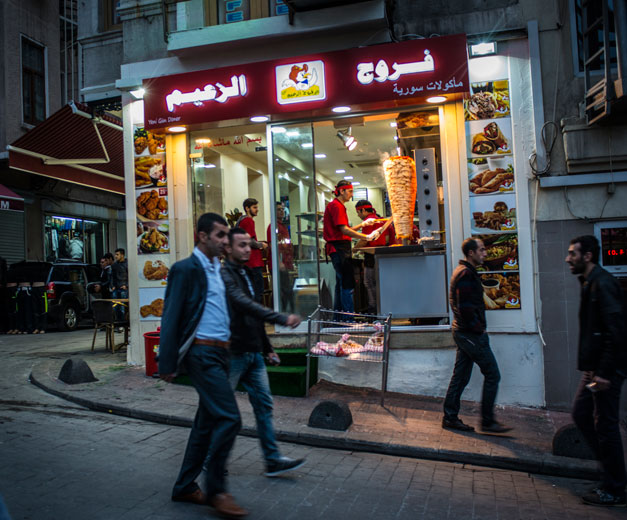
Farooj al Zaeem is, pretty much, the best kind of restaurant made to resemble the worst kind of restaurant. If the neighborhood – one of Beyoğlu’s most unkempt snatches – doesn’t send you running, then the look of this place, like a knockoff polo shirt with misspellings, will signal that something here is not right.

Chicken Leg and Cow's Liver

There’s a light scent but not much taste to the fresh truffle we just picked up from a local Chinese market. On a tea scale it weighs in at 18 grams and is the size of a healthy walnut. This year’s price for fresh truffles from France or Italy is many times more than the roughly US$6.50 price tag for this earth-coated Chinese truffle (松露, sōnglù).

Casa Lucio

Horn of plenty, yellow foot, ox tongue, gray knight: the bewitching names are like something out of a fairy tale. But at Casa Lucio, in Sant Antoni, these are all mushrooms you might find on your plate, especially in autumn.

The Fungus Among Us

It’s October and mushroom season in many parts of Europe, but if you were hoping for anything like Genoa’s Porcini Festival in Athens, you’re out of luck. But don’t despair: ‘shrooms, wild and cultivated, can be found; it just takes a little sleuthing.

Funky Fungi

In Mexico, the land of eternal spring, something good to eat is always in season. We ravenously await the arrival of artichokes in March, mangos in April, fresh corn in September. Even the wriggly little gusanos de maguey (maguey worms) which appear in May are wildly anticipated – by some. Change in season is subtle here, but essential to the survival of the country. But seasonal lines are blurring. Asparagus rears its tasteless Chilean head all year; pallid strawberries are found in December. Seasons have gone global and our palates suffer for it. Which is all the more reason to pay attention to what’s local now. From July into October, coinciding with our temporada de lluvia, wild mushrooms, spurred on by rain and humidity, hit the markets of central Mexico. Here in the capital, the month of August is high ‘shroom time.
Vegana Chácara

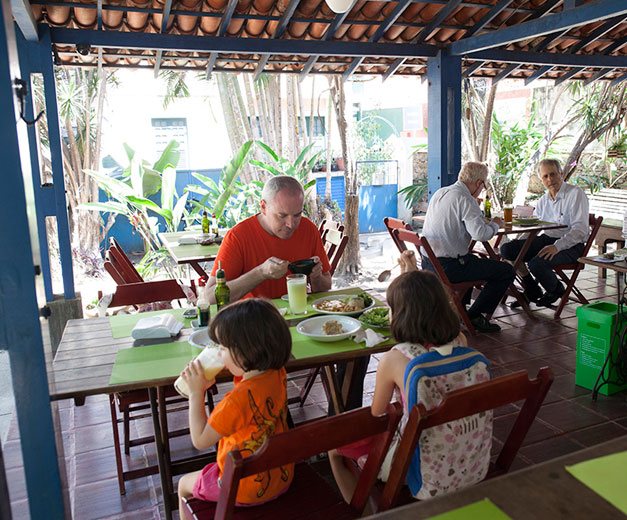
Being a vegan would be a lonely business in Brazil if it weren’t for one handy catch – even the beefiest, chicken-heart-gobbling, butter-on-white-bread carioca likes giving his digestive track a day off on occasion. That’s why Jan Carvalho’s veranda-turned Vegana Chácara is popping every weekday at lunchtime. His version of feijoada, the Brazilian national dish, replaces the traditional pork parts that provide the richness in the black bean stew with smoked tofu and shiitake mushrooms. A regular client of his, a musician, jokes that Carvalho’s is the only one he can eat two helpings of and still play soccer afterward. “Eighty percent of my clients are not vegan,” says Carvalho. “They’ll go and eat at a churrasco” – cookout – “afterward.”

Nice 'n' Easy

Kifisia, as we’ve mentioned before, used to be a holiday destination for wealthy Athenians, and its suburban charms remain intact. Green spaces, high-end shops and close proximity to most of Athens’ international schools have seduced a number of expats into settling down here. We’ve written previously about the original Nice ‘n’ Easy in Kolonaki; it’s one of the few non-smoking establishments in a city where everyone puffs up all the time.

Meşhur Tarihi Kalkanoğlu Pilavcısı

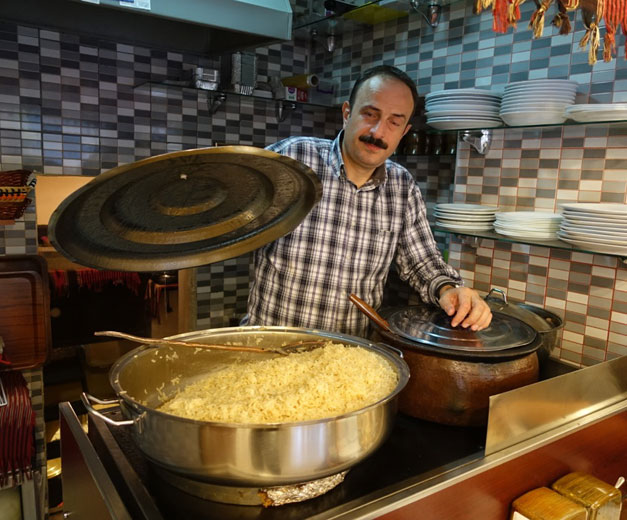
The brothers Altu and Erol Aslan, who operate the Yeni Melek corner store on Ayhan Işık Sokak in Istanbul’s Beyoğlu neighborhood, have a legitimate complaint against their next-door neighbor, Tarihi Kalkanoğlu Pilavcısı. The shop – morning, noon and night – really does reek of butter. For those unfamiliar with the preferred cooking agent of the eastern Black Sea, where the neighbor in question hails from, this isn’t the sort of bland whitish grease that comes from the Land o’ Lakes; it's a funky yellow mass that is bused in from the villages around Trabzon in unmarked buckets like contraband.

Cafetería El Cuadrilátero

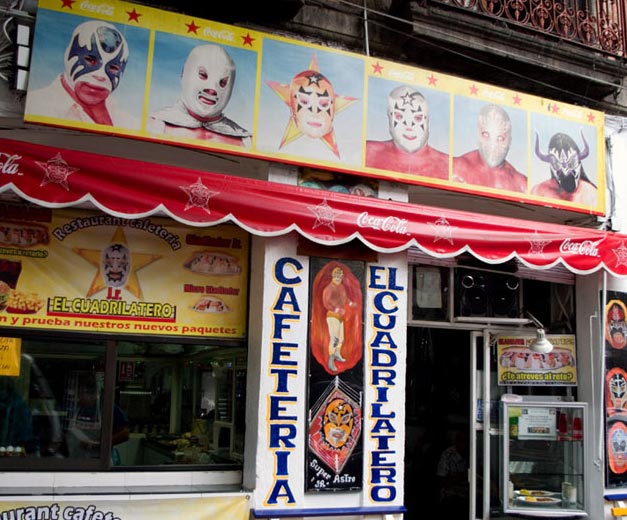
Editor's Note: Sadly, this spot is now closed. Mexico City’s Centro Histórico is never a dull place. Combined with the massive crowds and the constant roar of honking horns, passing buses and shouting vendors, the sheer visual stimulus is enough to make one weak in the knees after an hour or so. It can be a huge relief to step off the street for a breather and a bite to eat – although, in the case of Cafetería El Cuadrilátero, whose name can be translated to “wrestling ring cafeteria,” a “bite” is quite an understatement.

Codorna do Feio

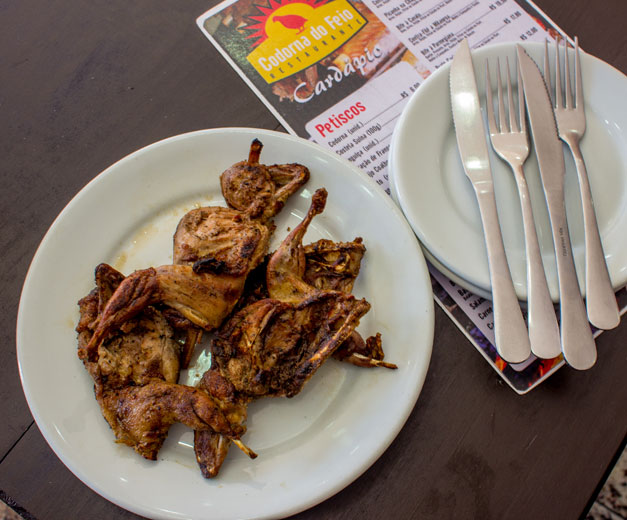
Feio, which means “ugly” in Portuguese, is also the fortunate nickname of the owner of one of the most unique bars in Rio. Mr. Feio (his real name is Sebastião) is a former baker who decided 20 years ago to open a botequim, the typical carioca bar. In order to differentiate his establishment from the other botequins in the neighborhood of Méier, Feio decided to serve grilled quail (codorna) – a bird that is not traditional to Brazilian gastronomy. The idea was an immediate local hit.

Merendero Las Lupitas

In the U.S., chimichangas and burritos are always associated with Mexican food, but in the central part of Mexico those words don’t mean a lot. In Mexico City, specifically, it’s very hard to find burritos that resemble those found north of the border, and the word “chimichanga” doesn’t even exist in our vocabulary.

Yi Zhang Hong

Whether we’re talking fat-free, gluten-free, organic, MSG-free, Paleo or vegetarian, every regimen takes on new challenges and pitfalls when you are traveling or living abroad – especially in a country like China, where you may face a language barrier.

O Meu Lar

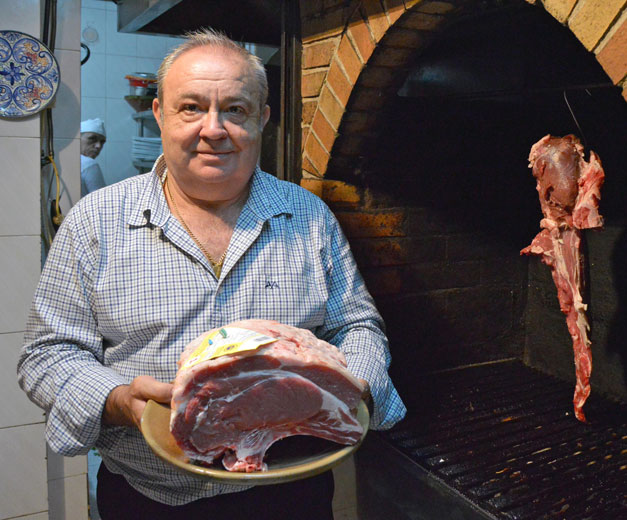
Galicia, the autonomous region in northwest Spain, is famous for its extraordinary beef and – with its lengthy Atlantic coastline – an abundance of spectacular seafood. Barcelona has a slew of Galician eateries, ranging from the most expensive and famous seafood restaurants with valet attendants to humble establishments occupying the most out-of-the-way corners of the city. In the middle are the interesting neighborhood eateries that offer food cooked with great care, using excellent ingredients and offered at fair prices. Among these, O Meu Lar is one of our favorites.

Şehzade Erzurum Cağ Kebabı

Istanbul has plenty of kebab joints, but places serving cağ are sadly hard to find. Originating in the eastern Anatolian province of Erzurum, the kebab looks like a horizontal döner, but tastes otherworldly. If South American cowboys somehow found themselves in Erzurum’s grassy Turkish steppe, they would surely be struck down with déjà vu at the sight of this carnivores’ fantasy, turning slowly over a hardwood fire. The way we see it, cağ is the Turkish equivalent of Argentina’s asado or the Brazilian churrasco, a kebab for serious meat lovers.

Rio on the Half Shell

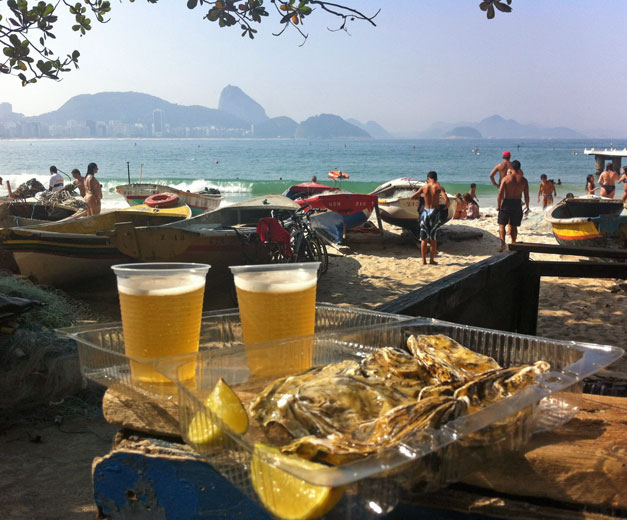
Very few people know that Copacabana beach, packed to the gills as it is with tourists, restaurants and luxury hotels, is home to an old fishermen’s colony. The fishermen, of course, no longer live there, but they still ply the waters with their tiny boats and use handmade fishnets to bring in the catch every day.

logo

Terms of Service