S M B O measurement-vertical measurement-vertical

Latest Stories

CB on the Road

The city of Edirne sits on the borders of Bulgaria and Greece in the far northwestern and European portion of Turkey. Once the capital of the Ottoman Empire, Edirne has been occupied for thousands of years, dating back to the Romans and Thracians before them. While no longer the seat of an empire, Edirne could still be considered a culinary capital for tava ciğer, or fried liver. Two things are constant companions to travelers venturing into Edirne: glistening portraits of famous oiled-up wrestlers (a big annual contest is held nearby) and innumerable small restaurant fronts featuring a vat of boiling sunflower oil. The aroma of meat cooking in these vats is distinctive and primal, instantly activating salivary glands or rumbling stomachs.

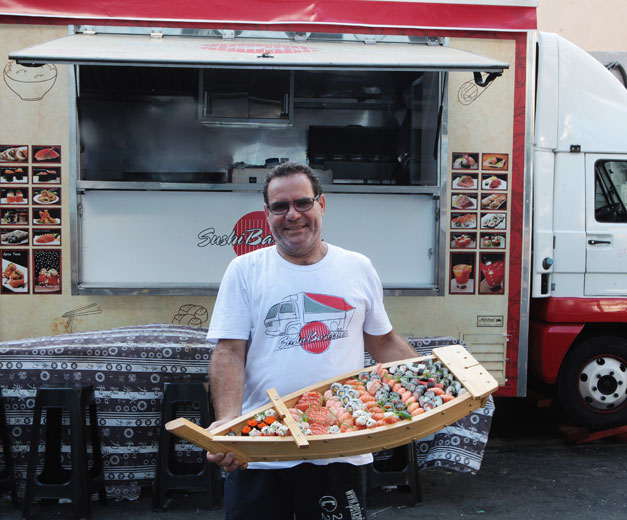
Sushi Barcellos

Editor's Note: This spot is sadly no longer open. Once upon a time, there was a fishmonger. Every morning, he would wake up very early and go to the fish market, buy lots of fish and sell it at his stand in the open-air market near his home.

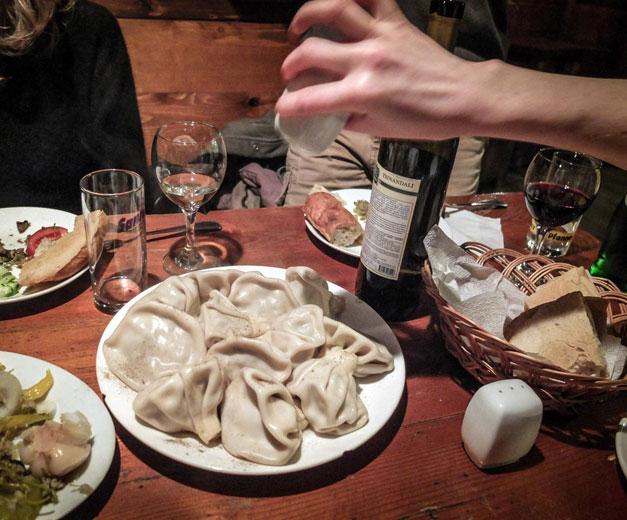
The Khinkali Chronicles

It was in 2007, when, on a hunger-induced whim, we called a friend and asked him to meet us for lunch at a new place that had been beckoning from a Rustaveli Boulevard side street for some weeks. Tbilisi’s main drag was bereft of quality, low-priced eats, and the down-home warmth wafting down the street offered the promise of good fortune. This was before the homey little joint was known, a time when our party of two could occupy the eight-top under the window instead of the surrounding cozy, semi-enclosed booths.

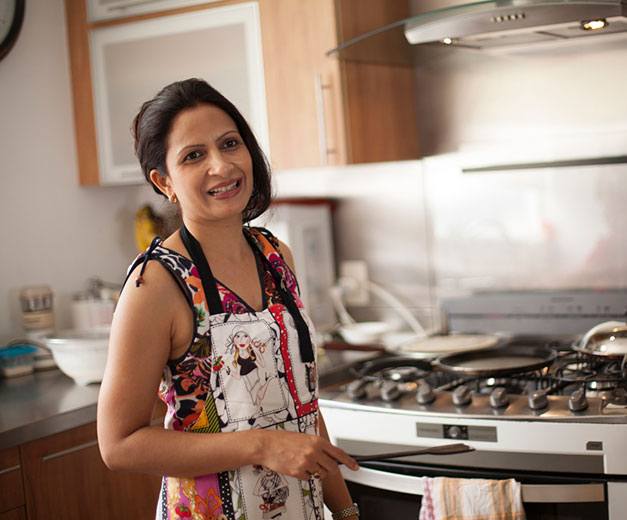
Rashmy's Kitchen

It is one of the most uttered phrases by gringos here: “Rio is a paradise, but I really miss ______ food.” That blank may be filled by “Korean,” “Ethiopian” or “real Mexican.” Very often, the object of the foreigner’s wander-gastro-lust is Indian.

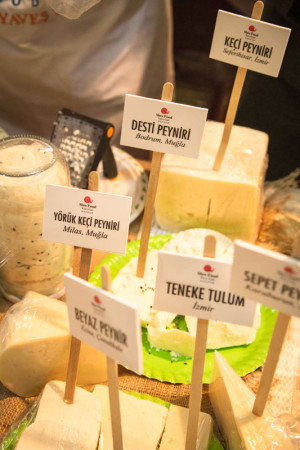
Turkish cheeses on display at Slow Cheese in Bodrum, photo by Filiz Telek

The Yaveş Gari Bodrum chapter of the international Slow Food movement organized the first Slow Cheese Festival of Turkey, which took place March 5 to 8 this year. We were lucky enough to experience it for ourselves. Local food cultures and small-scale food producers everywhere are at risk of disappearing due to the market economy and industrialized food production, and Slow Food’s various initiatives aim to help them survive and to educate the public about their cultural and gastronomic value. Dairy products in particular are under threat from immense regulation, which decreases diversity and imposes an often insupportable financial burden on small producers. Moreover, as Slow Food says, “It is not simply a question of the best milk and cheeses – our food culture and the freedom to choose what we eat are at stake.”

Gran Cocina Mi Fonda

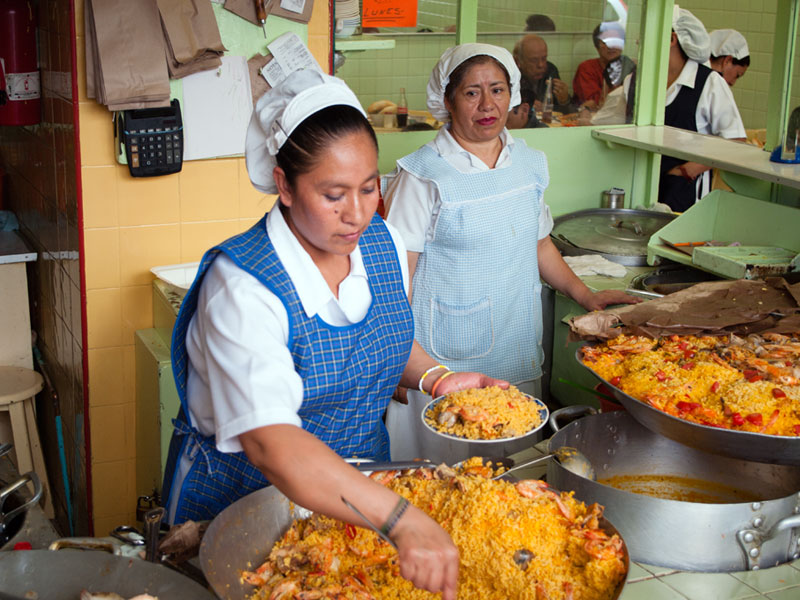
In recent years, downtown Mexico City’s once grimy Centro Histórico has undergone a remarkable transformation. The government and private enterprises have invested in new infrastructure, pedestrian walkways, parks, hotels and high-end apartment buildings that give the area the look and feel of a district that is part of a modern, dynamic capital city.

CB on the Road

In the windy coastal region south of Barcelona, surrounded by the wide vineyards of Baix Penedès, entire families are decked out in winter gear and ready to eat … some salad! In the late 19th century, the word xató (pronounced “sha-TOH”) first appeared in writing in the Catalan press. Just as the name for the dish paella is borrowed from the name of the pan that is used to prepare it, xató originally referred to a sauce, but is now the name for a specific salad preparation. Practically unavoidable in the towns of Baix Penedès, Alt Penedès and Garraf (sub-regions that lie between the provinces of Barcelona and Tarragona), xató is surprisingly rare on restaurant menus in Barcelona proper, just under an hour away.

CB on the Road

The word mole comes from the Nahuatl molli, which means “mixture,” and is used to refer to a number of sauces prepared all over Mexico. There’s some controversy as to which spot is the birthplace of mole (Puebla, Tlaxcala and Oaxaca all claim the prize) and when exactly these sauces were created. What we do know about mole sauces, however, is that they are the perfect culinary example of the mestizaje that took place in Mexico after the arrival of the Spanish conquistadores. They combine native ingredients such as chilies, fruits and seeds with elements brought by the newcomers, including nuts, exotic fruits and even bread.

Charmant

Editor’s note: We regret to report that Charmant has closed. We’ve mentioned Charmant before on Culinary Backstreets, giving it a nod for its night-owl dining opportunities (it closes at 2 a.m.). But this restaurant tastes good all day long and has something going for it that few Shanghai restaurants have: consistency. After more than seven years of loyal patronage (not to mention the restaurant's 11 years of operation since opening in 2004) and Charmant’s split from its parent company, which runs the equally successful Taiwanese chain called Bellagio, we have yet to notice a slip in quality.

Bilbao

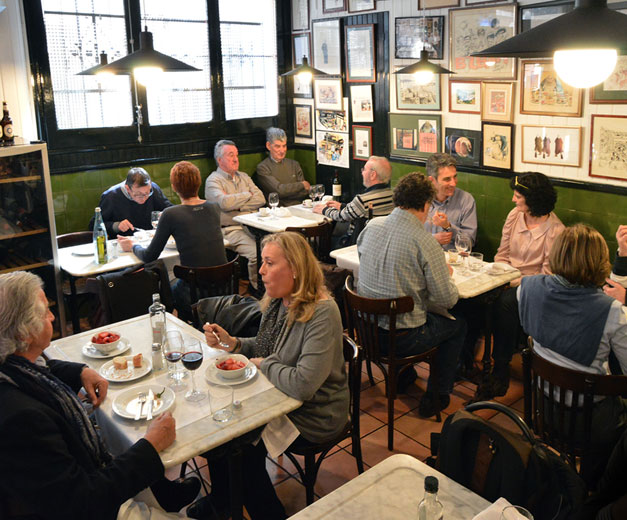
Pere Valls Isart is passionate about his restaurant, Bilbao, which his family bought, with the name already in place, in 1954. “This is the thing that I most love in the world,” he told us. “This is my life!” Bilbao is an old-school neighborhood restaurant of the first degree, with two comfortable rooms appointed with mismatched vintage – yet impeccably maintained – marble tables, colorful paintings, photos, drawings and infinite memories.

A Visit to Istanbul's "Little Syria"

Over the last few years, as a growing number of Syrians fleeing the violence in their homeland have made their way to Istanbul, the Aksaray district has swiftly turned into the city's "Little Syria," filled with shops and restaurants catering to this new Syrian diaspora. CB photographer Ipek Baltutan recently spent a day walking around the area, capturing some of the flavor of this newly formed enclave.

Spajiro

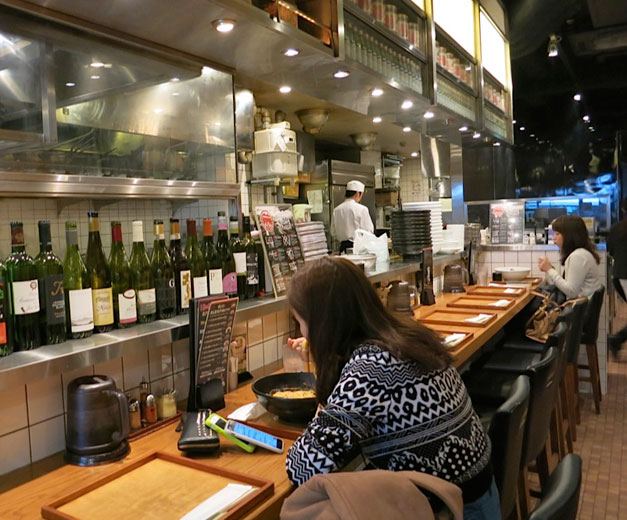
The phrase “Japanese noodles” brings to mind so many things: soba, udon, ramen, shirataki, somen – all with their variety of width, length and material. Some are eaten dipped in various sauces, while others are served swimming in broth. Japanese noodles are included in stews and with combinations of ingredients as well. They are eaten hot or cold, at any time of day, usually slurped out of the bowl with chopsticks. They are sometimes a meal, other times a snack. What rarely comes to mind when Japanese noodles are mentioned is Japanese spaghetti.

Hipódromo

Editor's Note: Sadly, this spot is now closed. The coolest, most beautiful young cariocas spend their nights at Hipódromo – as well as its equally famous neighbor, Braseiro da Gávea – drinking, eating and flirting. But there’s much more to Hipódromo than meets the eye; the food is excellent, the service outstanding. In fact, the bar’s biggest draw may well be Antônio Lacerda, the most famous bar waiter in town.

A Shan

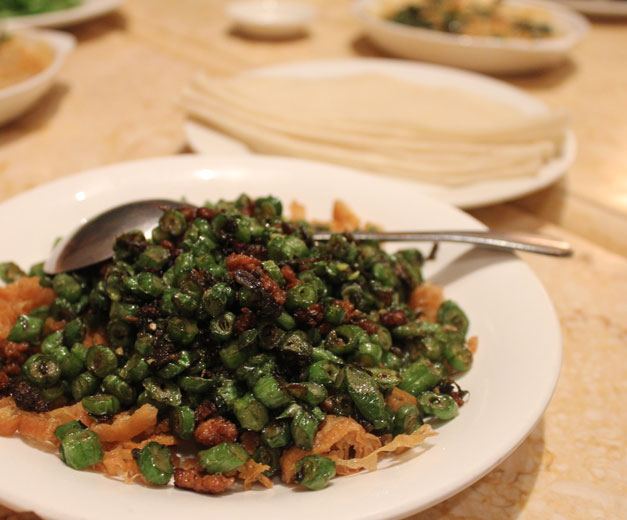
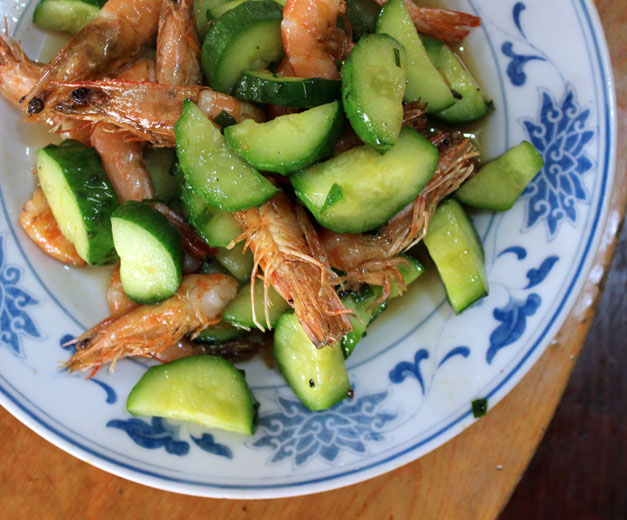
In the early 1980s, Xue Shengnian was a farmer out in the village of Hongqiao. On the side, he painted houses and factories to try to make ends meet. Then he heard that the economic liberalization known as Reform and Opening was allowing citizens to start private restaurants and he thought to himself, “I know how to grow the vegetables; I bet I can cook them too.” So he opened A Shan in 1983, only the second restaurant ever in an area better known for its fields than its food.

CB on the Road: The Best of Puebla Under One Roof Featured Image

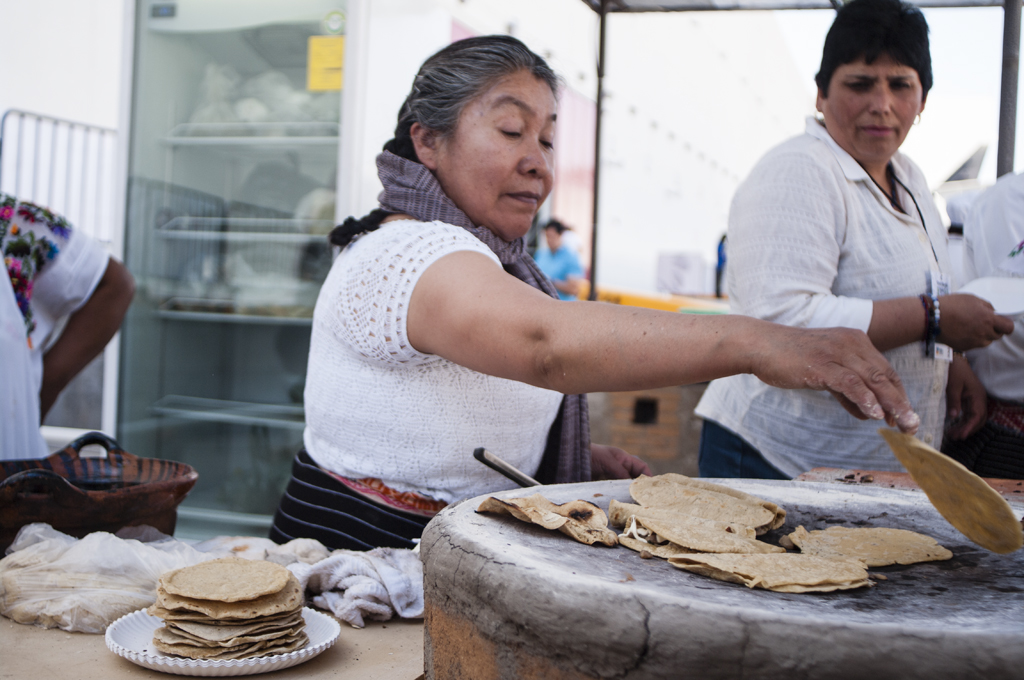
Among the regions of Mexico that are best known for their culinary wealth, Puebla is near the top. Approximately 100 kilometers east of Mexico City, Puebla is the birthplace of chiles en nogada, mole poblano (probably the most recognized Mexican mole worldwide) and cemitas, a knockout sandwich made with the bread of the same name.

logo

Terms of Service